
Photography in Shenandoah National Park: Best Locations, Tips & Complete Guide
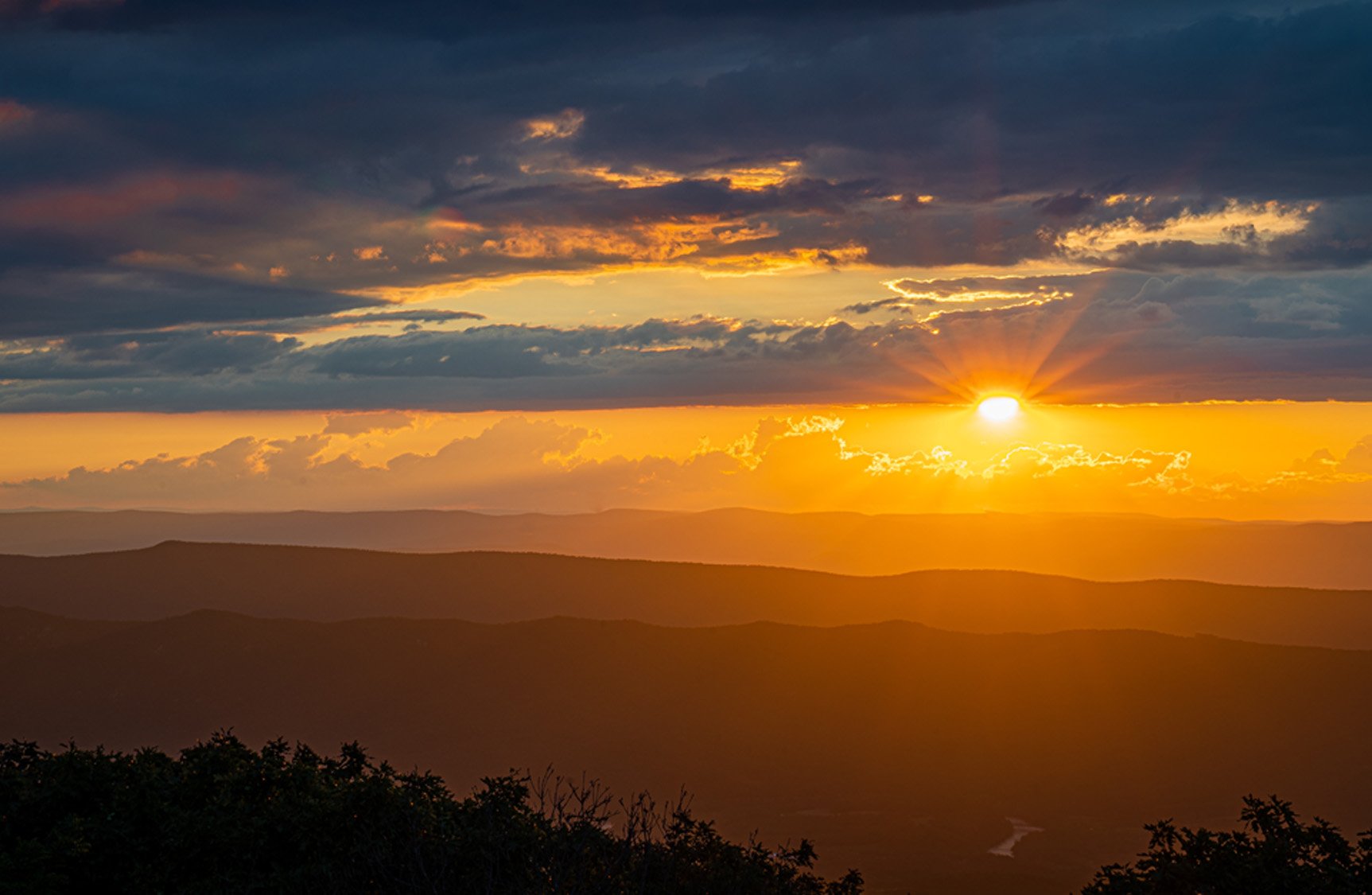
If you’re looking for the best places for photography in Shenandoah National Park, you’re in the right place.
Stretching along the Blue Ridge Mountains and anchored by Skyline Drive, Shenandoah offers some of the most accessible and diverse photography opportunities on the East Coast. From sweeping mountain overlooks to waterfalls, wildlife, and night skies, this park delivers year-round.
Located just outside Front Royal, Virginia, and only minutes from the popular and beautiful Downtown Front Royal, the park is easy to access and packed with locations that don’t require long hikes—making it ideal for photographers of all skill levels.
This guide pulls together the best locations, timing, and techniques to help you get the most out of your time shooting in Shenandoah National Park.
Shenandoah National Park is one of the most underrated photography destinations on the East Coast—and one of the most accessible.
You can also find my Best Photography Spots in the Shenandoah National Park.
Why Shenandoah National Park Is Perfect for Photography
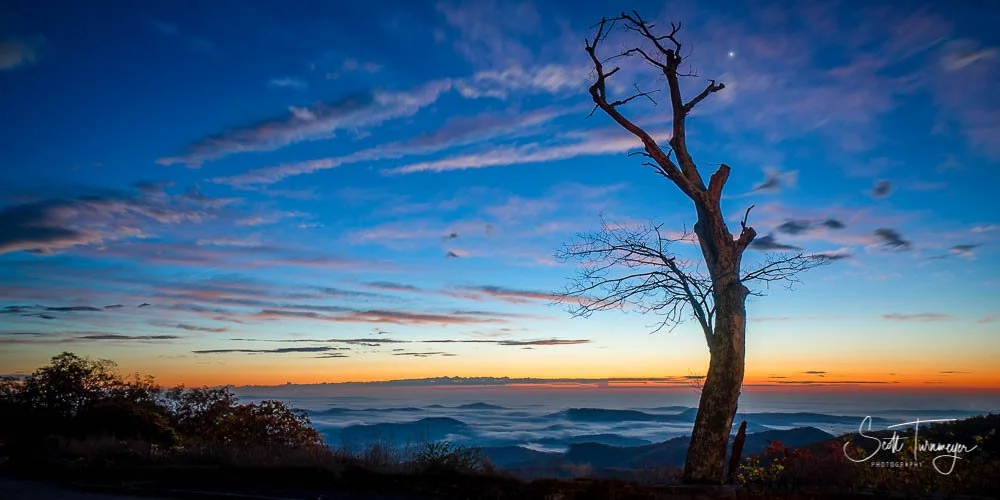
There are a few reasons Shenandoah stands out as a photography destination:
Over 100 scenic overlooks along Skyline Drive
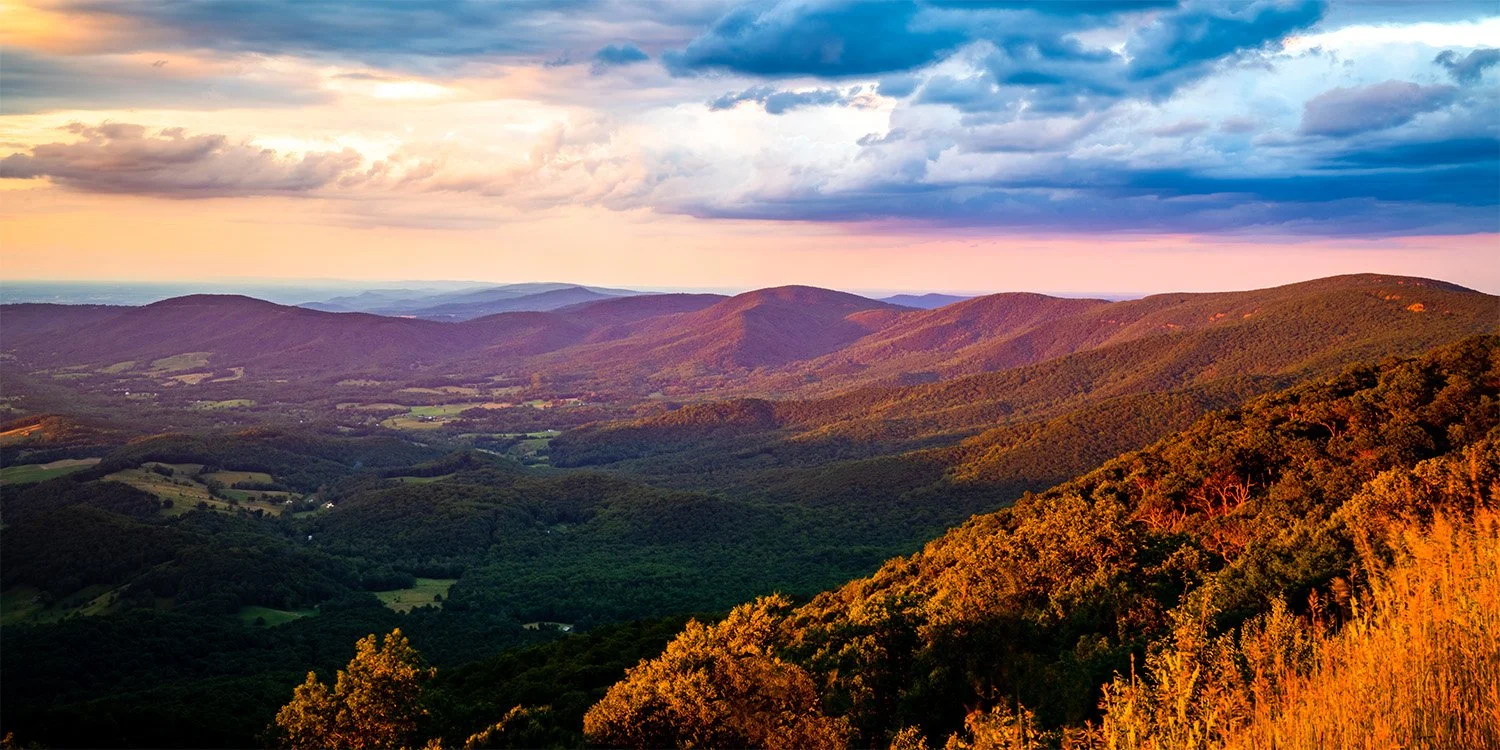
Layered mountain views that create depth and atmosphere
Frequent fog and changing light conditions
Waterfalls and forest scenes throughout the park
Abundant wildlife, especially in central areas like Big Meadows
Unlike many national parks, Shenandoah doesn’t require long backcountry trips to get great shots. Many of the best compositions are just steps from your car.
Best Photography Locations in Shenandoah National Park
Overlooks Along Skyline Drive
Skyline Drive is the backbone of Shenandoah National Park photography. The overlooks provide elevated views of both the Shenandoah Valley and the Piedmont, depending on which direction you’re facing. These overlooks provide some of the best photography in Shenandoah National Park, offering sweeping views of the Blue Ridge Mountains.
Some of the best overlook locations include:
Signal Knob Overlook (mile 5.7) - great for sunset and valley view. Read the full Signal Knob Overlook Guide.
Gooney Manor Overlook (mile 7.3) – great for sunset and valley views overlooking Browntown, Virginia. Read the full Gooney Manor Overlook Guide.
Jenkins Gap Overlook (mile 12.4) – strong sunrise compositions facing east. Read the full Jenkins Gap Overlook Guide.
Indian Run Overlook (mile 10.8) – ideal for summer sunrise alignment. Read the full Indian Run Overlook Guide.
Range View Overlook (mile 17) - great southern view, good for night sky photography. Read the full Range View Overlook Guide.
Little Devils Stairs Overlook (mile 20.1) – excellent winter sunrise and depth. Read the full Little Devil Stairs Overlook Guide.
Hogback Overlook (mile 21) - my favorite overlook with stunning views and sunsets Read the full Hogback Overlook Guide.
Hazel Mountain Overlook (mile 33) - stunning sunrise views, especially in early spring and fall. Read the full Hazel Mountain Overlook Guide.
Each overlook offers different angles, lighting conditions, and compositional opportunities. The key is understanding how light interacts with the landscape at different times of year.
Waterfalls and Hiking Photography
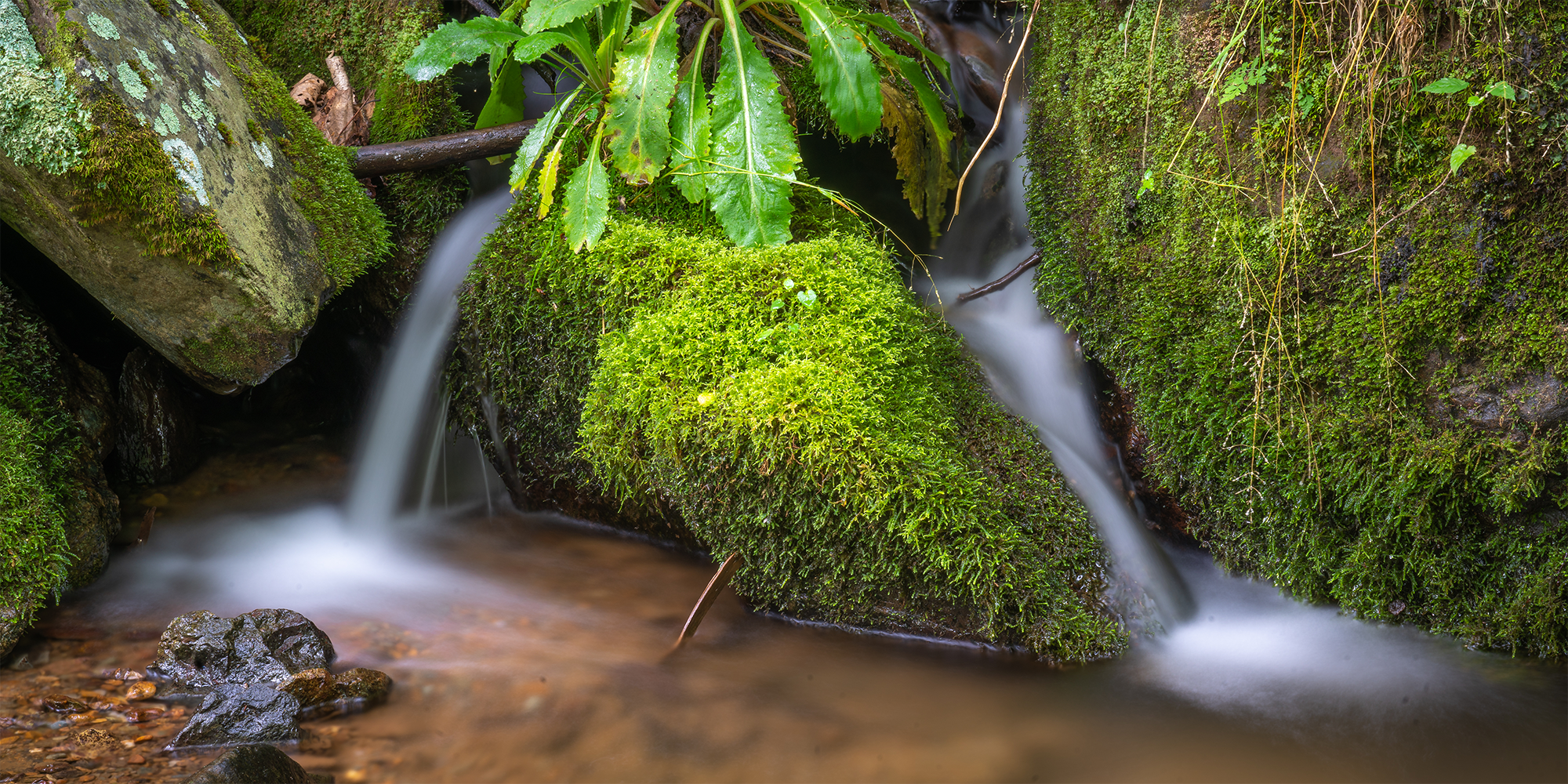
Waterfalls bring a completely different style of photography to Shenandoah.
Some of the best waterfall locations include:
Dark Hollow Falls – one of the most accessible and photogenic waterfalls. Read the full Dark Hollow Falls Guide.
Rose River Trail - my absolute favorite water photography trail in the park. Read the full Rose River Trail Guide.
Whiteoak Canyon – multiple cascades and longer hike options. Read the full Whiteoak Canyon Trail Guide.
Overall Run Falls – the tallest waterfall in the park at 93 feet. Read the full Overall Run Falls Guide.
Lewis Falls – a quieter location with a strong vertical composition. Read the full Lewis Falls Guide.
Waterfalls are best photographed after rainfall when water flow is strongest. Early morning or shaded conditions help avoid harsh light.
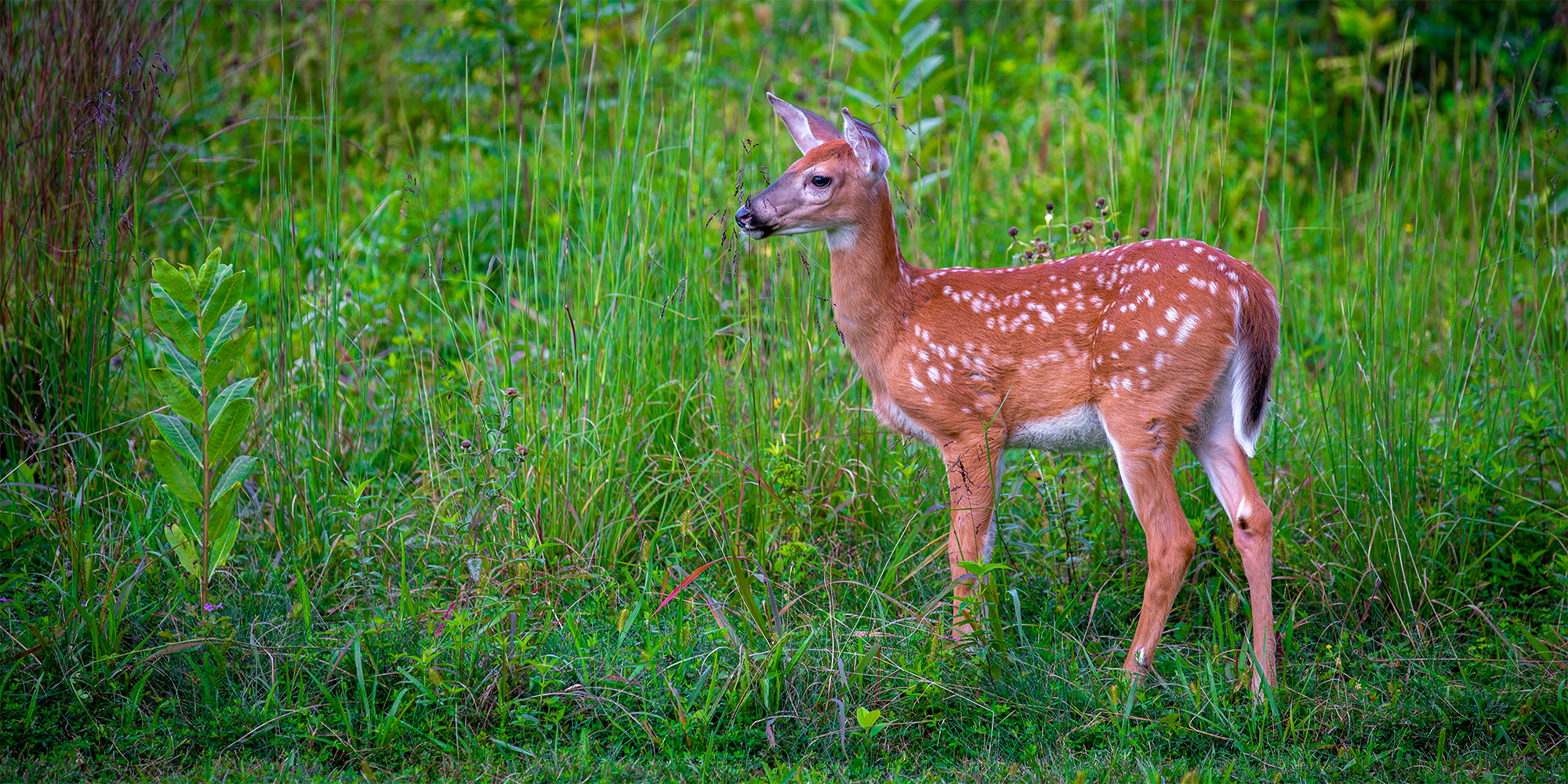
Big Meadows & Wildlife Photography
Big Meadows is one of the most unique areas in the park.
This high-elevation open meadow provides:
excellent wildlife photography opportunities
clean compositions with isolated trees
unobstructed views of the sky for sunrise and night photography
If you’re interested in wildlife photography in Shenandoah National Park, this is one of the most reliable locations.
ProTip: When you enter the park set your camera settings for wildlife. Use a telephoto lens, shutter speed around 400, aperture around 7 or 8 and you can do auto ISO as you want to be ready for anything. A lot of wildlife encounters happen when they cross the road in front of you and I’ve learned to be prepared and have my camera ready to grab and shoot prior to drive along the Skyline Drive.
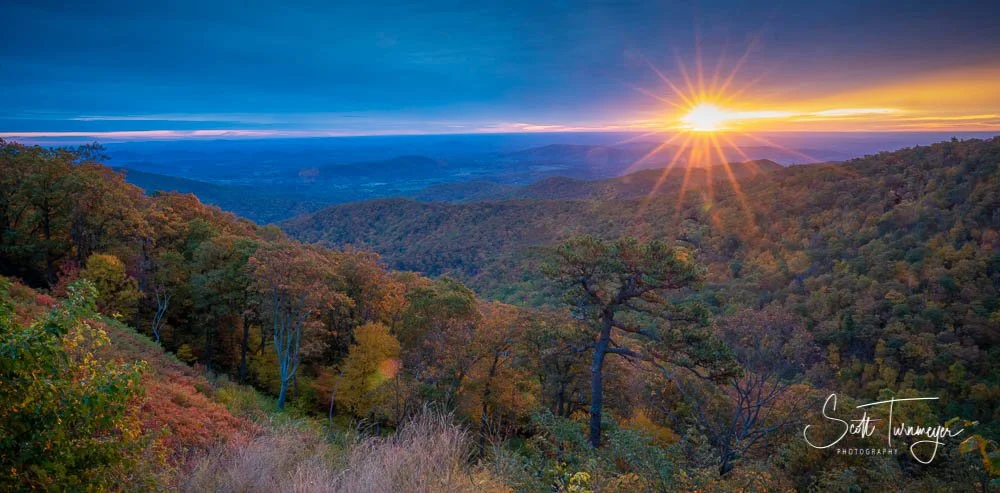
Best Sunrise Photography Spots
Sunrise photography in Shenandoah is often overlooked—but it can be incredible.
The best sunrise locations typically:
face east toward the Piedmont
allow the sun to rise into your frame
provide foreground elements like trees or ridgelines
Top sunrise areas include:
Jenkins Gap Overlook
Indian Run Overlook
Little Devils Stairs Overlook (seasonal advantage in winter)
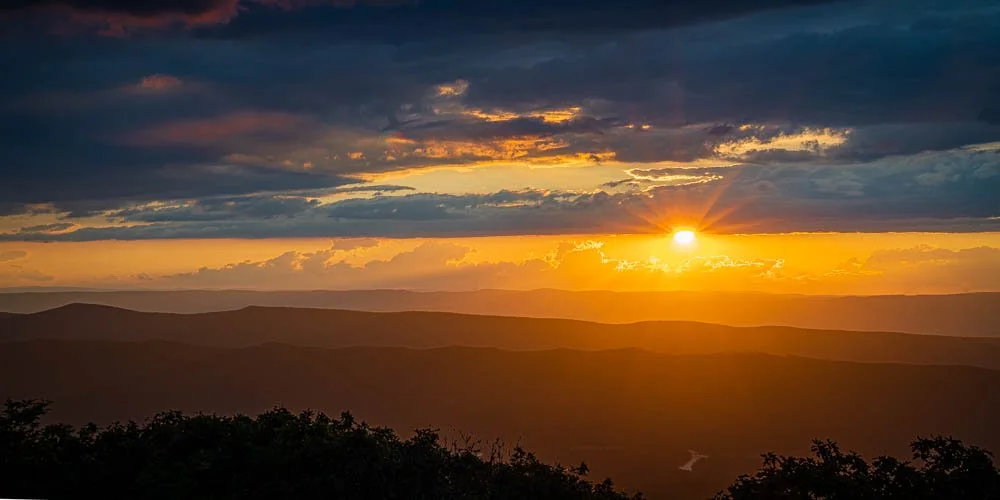
Best Sunset Photography Spots
Sunset is where Shenandoah really shines.
West-facing overlooks capture the sun dropping into the Shenandoah Valley, often with dramatic color and layered mountain silhouettes.
Top sunset locations include:
Signal Knob Overlook
Hogback Overlook
Gooney Manor Loop Overlook
multiple central Skyline Drive overlooks
Sunset conditions are often enhanced by clouds and haze, which add depth and color to the scene.
Best Times for Photography in Shenandoah National Park
Sunrise
Sunrise is actually my personal favorite time to photograph in the Shenandoah National Park. Arriving before dawn and listening to nature wake up around you in a rewarding experience in itself.
softer light
fewer crowds
cleaner compositions
Sunset
Sunsets are the bread and butter in the Shenandoah National Park. You will find overlooks far more crowded during sunset.
stronger color
dramatic skies
more popular with photographers and visitors
Golden Hour
Golden Hour in the Shenandoah National Park can be highly overlooked and it’s a beautiful time of day in the morning or evening.
great golden light
dramatic shadows in the valleys
possible sun rays through clouds
Blue Hour
Blue Hour is the secret to sunset or sunrise photography in the Shenandoah National Park. During sunset once the sun sets people leave, but if conditions are right that is when the show begins. Blue Hour is when you’ll find those pink and orange clouds and stunning sky shots with mountain silhouettes.
subtle tones
colorful clouds
great for mood and atmosphere
often overlooked but very effective
Night Sky Photography
Shenandoah offers some of the best dark sky conditions in the region.
Big Meadows is one of the top spots for:
Milky Way photography
star trails
astrophotography
Seasonal Considerations
Fall: peak color and highest traffic
Spring: waterfalls and fresh greens
Summer: wildlife activity and early sunrises
Winter: cleaner air, fewer crowds, better long-distance visibility
Photography Tips for Shenandoah National Park
Use Layers for Depth
One of the defining characteristics of Shenandoah is layered mountains.
Use overlapping ridges to create depth in your compositions.
Incorporate Foreground Elements
Trees, rocks, and ridgelines can anchor your image and guide the viewer’s eye.
Understand Light Direction
The direction you’re facing determines everything:
east-facing overlooks = sunrise
west-facing overlooks = sunset
Apply Composition Techniques
Techniques like the rule of thirds and leading lines are especially effective in landscape photography.
Gear Recommendations for Shenandoah Photography
Your gear should match how you plan to shoot.
Camera
A mirrorless system like Sony works well for both landscapes and wildlife.
Lenses
Wide-angle lens for landscapes and night photography
Telephoto lens for wildlife and compression
Tripod
Lightweight tripod for hiking
Heavier tripod (such as Manfrotto) for stability when not hiking
Filters
Polarizer for reducing glare
ND filters for long exposures at waterfalls
Planning Your Photography Trip
Entering the Park
The Front Royal entrance is the northern gateway to Skyline Drive and one of the most convenient access points.
Timing Your Visit
arrive early for sunrise
stay late for sunset and blue hour
allow flexibility for changing conditions
Parking and Access
Most overlooks have direct pull-offs, making them extremely accessible.
Photography Workshops & Experiences
If you want to accelerate your learning or explore the park with guidance:
These are designed to help you understand both the technical and creative aspects of shooting in Shenandoah National Park.
Shenandoah National Park offers one of the most complete photography experiences on the East Coast.
From overlooks and waterfalls to wildlife and night skies, the variety and accessibility make it a destination you can return to again and again.
If you’re exploring things to do in Front Royal, Warren County, VA or planning a trip along Skyline Drive, photography in Shenandoah should be at the top of your list.