
Understanding Shutter Speed: How It Transforms Your Photography

Waterfalls Photograph by Scott Turnmeyer
When you pick up a camera, one of the first things to learn is how to control shutter speed, an essential component of exposure. Shutter speed can dramatically influence the way your photos turn out, adding an artistic flair or capturing moments that would otherwise blur into obscurity. Whether you’re freezing the action of a speeding car or painting with light in long-exposure shots, mastering shutter speed unlocks endless creative possibilities.
What Is Shutter Speed in Photography?
Shutter speed refers to the length of time your camera's shutter remains open, allowing light to hit the sensor or film. It’s measured in seconds or fractions of a second:
Fast shutter speeds (like 1/1000 or 1/2000) freeze motion.
Slow shutter speeds (like 1/2 or 10 seconds) create a sense of motion or allow for light trails and other dramatic effects.
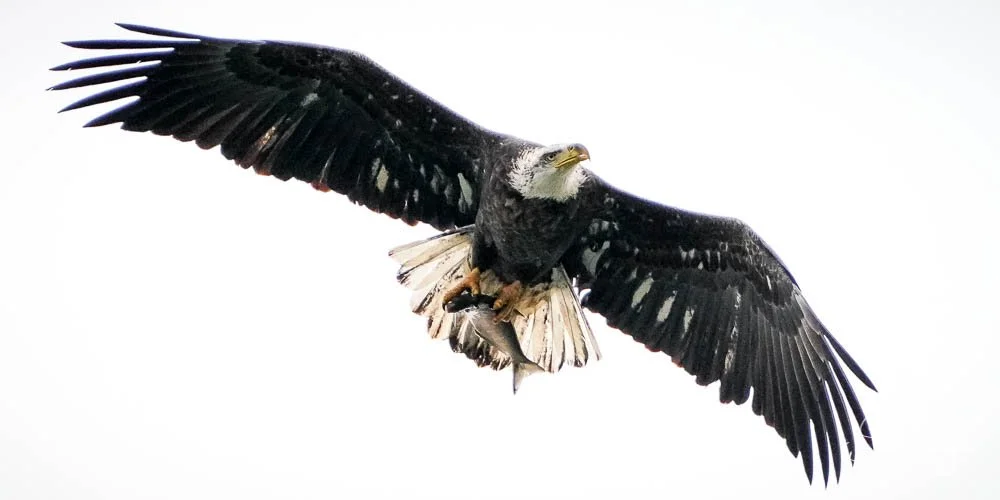
Pre Adult Bald Eagle Photograph by Scott Turnmeyer
Freezing Motion with Fast Shutter Speeds
Fast shutter speeds, such as 1/500, 1/1000, or even faster, are perfect for action-packed scenarios. Whether you’re photographing sports, wildlife, or kids at play, these settings freeze the motion, creating crisp, detailed shots.
Pro Tip: Pair fast shutter speeds with good lighting or a high ISO setting to ensure proper exposure.
Examples:
Capturing a cheetah mid-sprint.
Freezing water droplets during a splash.
Documenting a skateboarder in mid-air.

Bald Eagle at Sunset Photograph by Scott Turnmeyer
How to Choose the Right Shutter Speed
For Fast-Moving Subjects:
Use a fast shutter speed (1/500 or faster).
Pair with burst mode to capture multiple frames in quick succession.
Track your subject to keep it in focus.
For Long Exposures:
Use a slow shutter speed (1/30 or slower).
Stabilize your camera with a tripod.
Experiment with manual focus for precision.
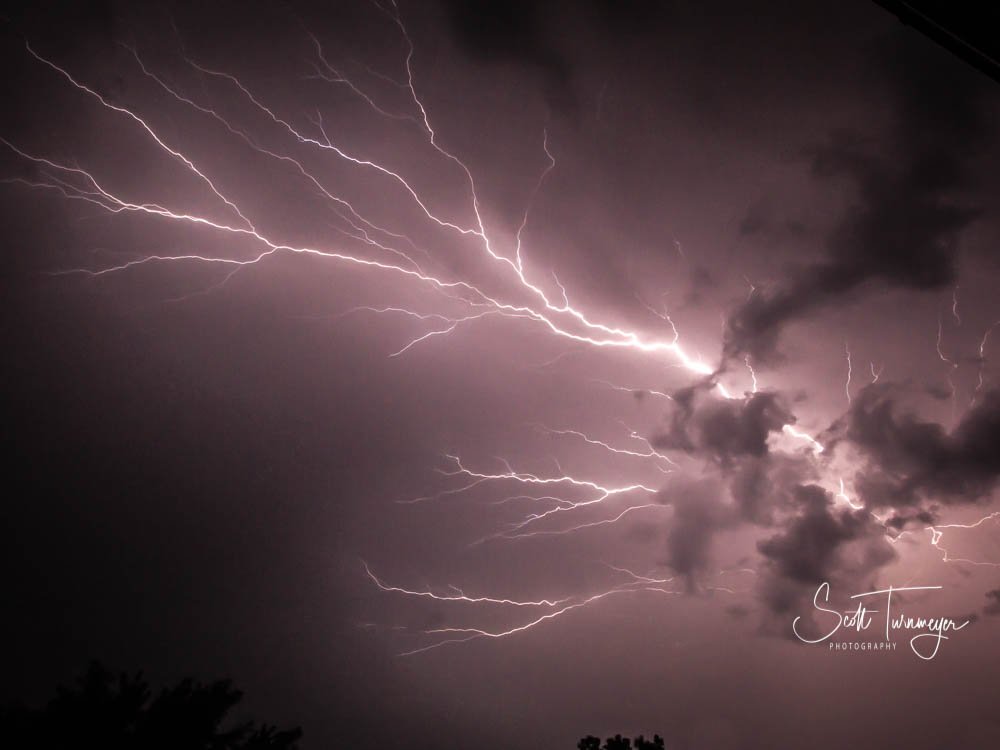
Lightning Photograph by Scott Turnmeyer
Shutter Speed and the Exposure Triangle
Shutter speed doesn’t work alone; it’s part of the exposure triangle along with aperture and ISO. Balancing these settings ensures your photos are properly exposed:
Fast shutter speeds reduce light, so compensate with a wider aperture (lower f-number) or higher ISO.
Slow shutter speeds allow more light, so consider narrowing your aperture (higher f-number) or lowering your ISO to prevent overexposure.

Waterfalls Photograph by Scott Turnmeyer
Fast vs Slow Shutter Speed Examples
Here is an example of using a moderatly low shutter speed. You want to get some blue in the water but not too much to show the rocks completely covered.

Aruba’s North Shore Photograph by Scott Turnmeyer
Creative Photography with Slow Shutter Speed
Experimenting with shutter speed can lead to stunning and unique photographs:
Panning: Use a slower shutter speed while following a moving subject for a sharp subject against a blurred background.
Zoom Burst: Zoom in or out during a slow shutter shot for a dynamic effect.
Double Exposures: Combine multiple exposures with varying shutter speeds for artistic results.
Shutter Speed FAQ
What is shutter speed in photography?
Shutter speed controls how long the camera sensor is exposed to light.
What shutter speed freezes motion?
Fast shutter speeds like 1/500 or faster freeze motion.
What shutter speed blurs water?
Slow shutter speeds like 1 second or longer create motion blur.
How does shutter speed affect exposure?
Slower shutter speeds let in more light, faster speeds let in less.
Conclusion
Understanding and mastering shutter speed is essential for every photographer. Whether you want to freeze fleeting moments or create dreamy, dramatic effects, shutter speed gives you the power to tell stories through your images. So grab your camera, experiment with different settings, and unlock the creative potential of this essential tool in photography.
More Photography from Scott Turnmeyer
I write about landscape photography, night sky photography, camera technique, and photography workshops in the Shenandoah Valley and Blue Ridge Mountains. You can explore more photography, workshops, and articles here:
Fine Art Photography
Photography Workshops & Experiences
Blog Home
About Scott Turnmeyer
Digital Consulting