
Why Businesses Leave Main Street
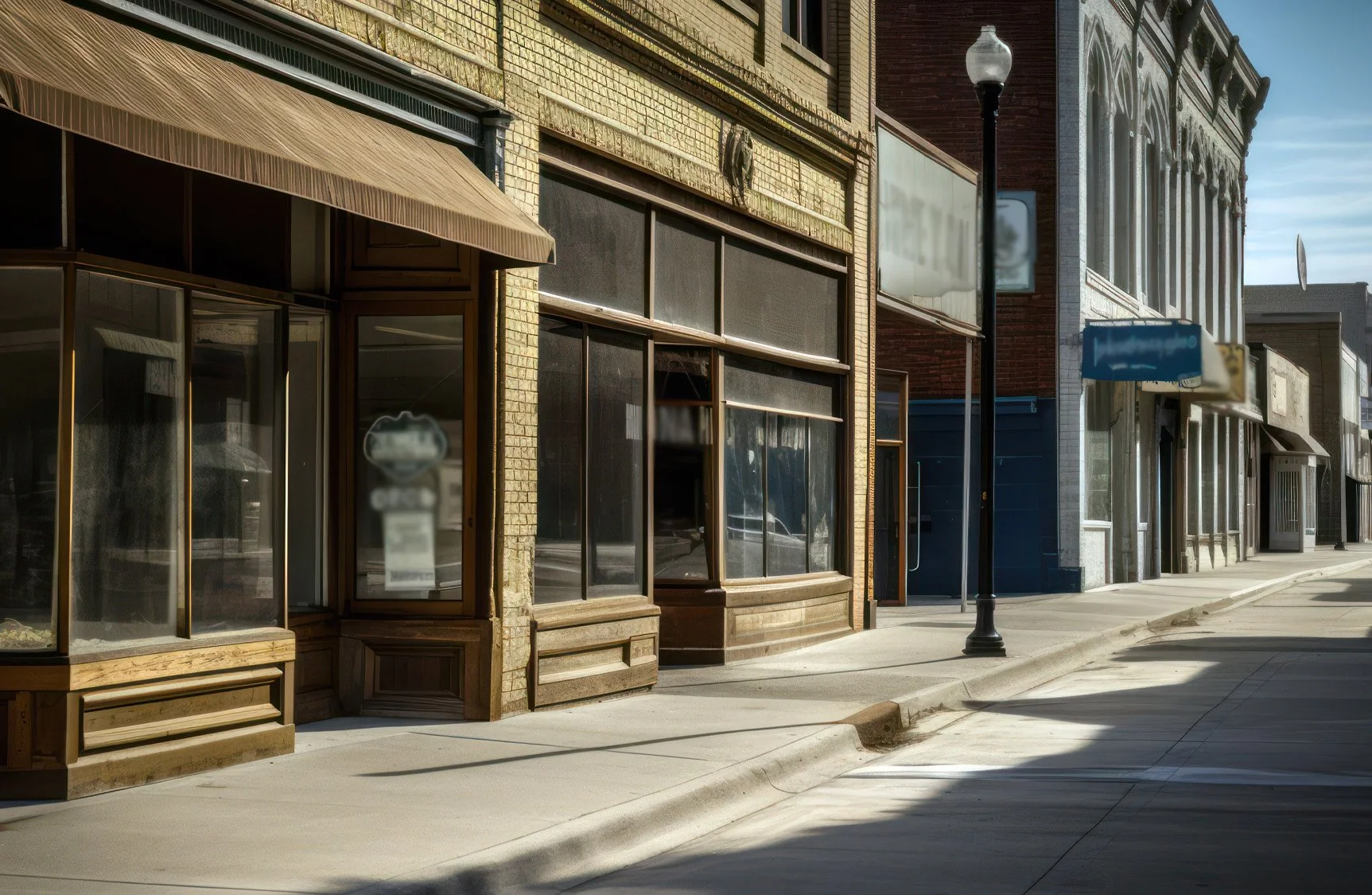
Part of a Series on Small Town Economic Development
This article is part of an ongoing series exploring tourism, downtown challenges, and economic development in small towns.
When a business closes or moves off Main Street, people usually ask the same question.
“What happened?”
Sometimes the answer is simple.
The owner retired.
The business ran its course.
The market changed.
But when it keeps happening over and over, it usually isn’t just about one business.
It’s usually a sign that something larger isn’t working the way it used to.
After being part of a downtown business for a long time, one thing becomes clear.
Most businesses don’t leave Main Street because they want to.
They leave because the numbers stop making sense.
Foot traffic matters more than people think
For most downtown businesses, foot traffic is everything.
Not every person who walks in buys something, but without people coming through the door, nothing else matters.
Rent still has to be paid.
Utilities still have to be paid.
Inventory still has to be bought.
Employees still have to be paid.
When fewer people are coming downtown, even good businesses start to struggle.
It doesn’t mean the business is bad.
It means the environment around it changed.
And once traffic drops far enough, it becomes very hard to make it work.
Locals alone usually aren’t enough anymore
Years ago, many small-town businesses could survive mostly on local customers.
That’s a lot harder now.
People shop online.
People travel to larger towns.
People have more options than they used to.
Local support still matters, but in most places it isn’t enough by itself to keep a full downtown alive.
That’s why towns that stay busy usually have outside visitors, tourists, or people coming in from other areas.
Without that extra traffic, the math gets tough very quickly.
Costs keep going up even when traffic goes down
One of the hardest parts about running a downtown business today is that expenses don’t go down when sales do.
Rent doesn’t go down.
Insurance doesn’t go down.
Utilities don’t go down.
Inventory doesn’t get cheaper.
In many cases, costs keep rising at the same time traffic is falling.
That puts business owners in a position where they have to make a decision.
Keep losing money and hope things turn around…
or move, close, or change direction.
A lot of times, leaving Main Street isn’t about giving up.
It’s about survival.
Empty buildings make the problem worse
When one business leaves, it doesn’t just affect that one storefront.
An empty building changes the feel of the whole street.
Fewer people come.
Other businesses see less traffic.
Potential new owners get nervous about opening.
And the cycle gets harder to stop.
Downtown areas work best when they feel active.
Once too many spaces sit empty, it takes a lot more effort to bring things back.
Most owners want to stay
Something people don’t always realize is that most small business owners actually want to be part of Main Street.
They like the location.
They like the history.
They like being part of the community.
But liking it isn’t enough to keep the doors open.
At the end of the day, the business still has to pay for itself.
When it stops doing that, even people who love downtown have to make hard choices.
This isn’t about one store
Whenever a business leaves, it’s easy to assume that something went wrong with that one owner.
Sometimes that’s true.
But when it keeps happening, across different types of businesses, different owners, and different buildings, it usually means the problem is bigger than any one store.
It means the environment changed.
And if the environment changed, fixing it takes more than just telling the next business to try harder.
What This Looks Like in a Real Town
You can see this pattern in Front Royal, VA, where the success or failure of Main Street businesses often comes down to consistency — not just visibility.
With steady traffic moving through Shenandoah National Park and along Skyline Drive, there’s no shortage of people nearby. But if that movement doesn’t translate into regular foot traffic and spending in Downtown Front Royal, businesses are left trying to survive on inconsistent demand.
When revenue becomes unpredictable, costs don’t adjust to match. Rent, staffing, and inventory remain constant, and over time, that imbalance forces difficult decisions. Businesses don’t leave because they want to — they leave when the environment no longer supports them.
Main Streets don’t disappear all at once
Downtowns usually don’t decline overnight.
It happens slowly.
One business closes.
Then another moves.
Then a building sits empty a little longer.
Then foot traffic drops a little more.
By the time people realize something is wrong, the pattern has already been going on for years.
The good news is that downtowns can come back.
But it usually takes recognizing the problem first, and being honest about what’s changed, instead of pretending everything is the same as it used to be.
More from Scott Turnmeyer
I write about photography, business, mindset, bowling, and the bigger questions that don’t always have easy answers. You can explore more articles, photography, and projects here:
Blog Home
About Scott Turnmeyer
Fine Art Photography
Photography Workshops & Experiences
Digital Consulting