
How to Market a Small Town in 2026 (And Actually Drive Growth)
Part of a Series on Small Town Economic Development
This article is part of an ongoing series exploring tourism, downtown challenges, and economic development in small towns.
Previous: Why Tourism Is the Most Underrated Economic Driver for Small Towns
Next: Coming Soon
We’ve talked about the system.
We’ve talked about tourism.
Now the question becomes:
How do you actually make it work?
Because people don’t just show up.
And if awareness is the starting point of growth, then marketing is what drives it.
The Problem With How Most Towns Market Themselves
Most small towns approach marketing like this:
A few social media posts
A couple events
Maybe a brochure or print ad
And then they hope people show up.
That’s not a strategy.
That’s guesswork.
The Shift: Your Website Is the Center of Everything
If there’s one thing small towns need to understand:
Your website should be your central marketing engine.
Not social media.
Not ads.
Not print.
Everything should lead back to your website.
Because your website is:
The only platform you fully control
The place where decisions happen
The place where behavior can be tracked and understood
Everything Feeds the Website
Once you understand that, everything changes.
Digital Ads
Meta platforms, Google search and display, YouTube, and streaming ads should all drive traffic to specific landing pages on your site.
Social Media
Posts, reels, and videos should highlight experiences, locations, and businesses—but ultimately direct people back to your website.
Print Still Has a Role
Brochures, flyers, and magazine placements can still be effective, but only if they are measurable.
Every print piece should include QR codes that lead to specific landing pages.
If you can’t track it, you don’t know if it’s working.
Everything Should Be Trackable
This is where most towns fall behind.
They spend money but don’t know what worked.
You should be tracking:
Website traffic
Traffic sources
Page engagement
Click behavior
Conversions and actions
This is how you move from guessing to making informed decisions.
Marketing Without Data Is Just Noise
If you’re not measuring results:
You don’t know what’s working
You don’t know what to improve
You don’t know where to invest
So you end up repeating the same efforts without understanding their impact.
What Actually Works Today
Modern small town marketing requires a different approach.
Content That Creates Demand
Travel guides, “best of” lists, photography, and video content help people discover your town before they ever visit.
Strong Visual Storytelling
People don’t visit places. They visit how places feel.
High-quality visuals of landscapes, downtown activity, and experiences matter more than ever.
Paid Distribution
Organic reach is limited. Paid advertising through Meta, Google, YouTube, and streaming platforms is necessary to reach new audiences.
Clear Positioning
Why should someone visit your town? The answer needs to be clear, specific, and consistent.
Consistency
This is not a one-time effort. It requires ongoing attention and execution.
How This Connects Back to Growth
When marketing works:
Awareness increases
Visitors come
Businesses benefit
Revenue grows
Investment follows
This is how the system starts to move.
What Most People Miss
Marketing is often treated as an optional expense.
In reality, it functions more like infrastructure.
Without it, growth is limited.
The Bottom Line
If small towns want to grow, they need to:
Stop guessing
Stop relying on outdated tactics
Build a system
Track results
Make decisions based on data
Because at the end of the day, people don’t just show up.
What This Looks Like in a Real Town
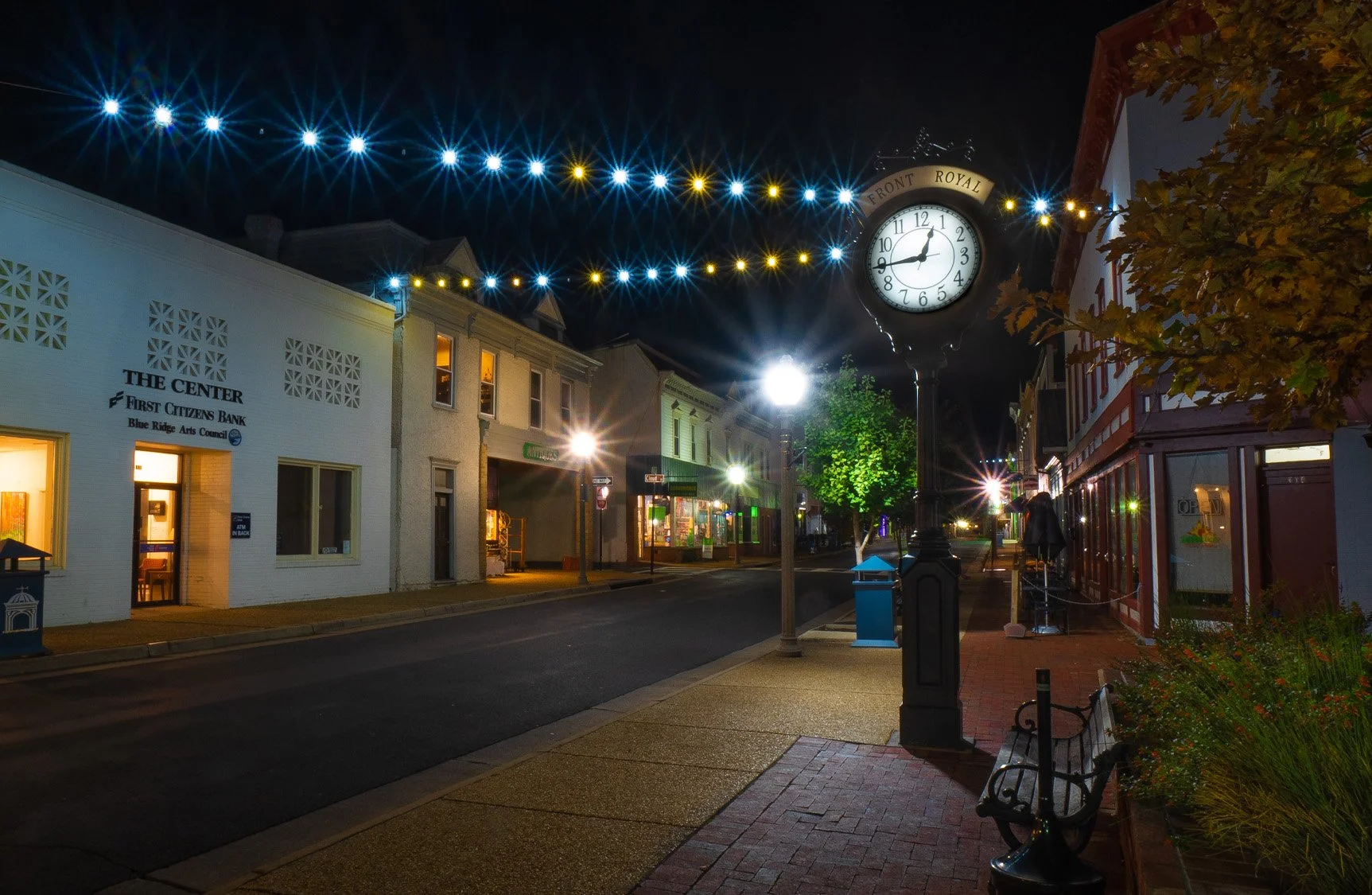
You can see this playing out directly in Front Royal, VA, where the opportunity isn’t just attracting visitors — it’s converting that attention into real economic activity.
With direct access to Shenandoah National Park and Skyline Drive, there’s no shortage of people coming through the area. The real challenge — and opportunity — is getting those visitors to move beyond the park and into Downtown Front Royal, where local businesses actually benefit from that traffic.
That’s where modern small town marketing either works or fails. It’s not about more awareness — it’s about connecting digital visibility to real-world movement, longer stays, and measurable impact on the local economy.
Closing
This isn’t complicated.
But it does require a shift in thinking.
From hoping people come
to making sure they do.
More from Scott Turnmeyer
I write about photography, business, mindset, bowling, and the bigger questions that don’t always have easy answers. You can explore more articles, photography, and projects here:
Blog Home
About Scott Turnmeyer
Fine Art Photography
Photography Workshops & Experiences
Digital Consulting