
The Hidden History of Shenandoah National Park: The Families Forced Off the Mountain
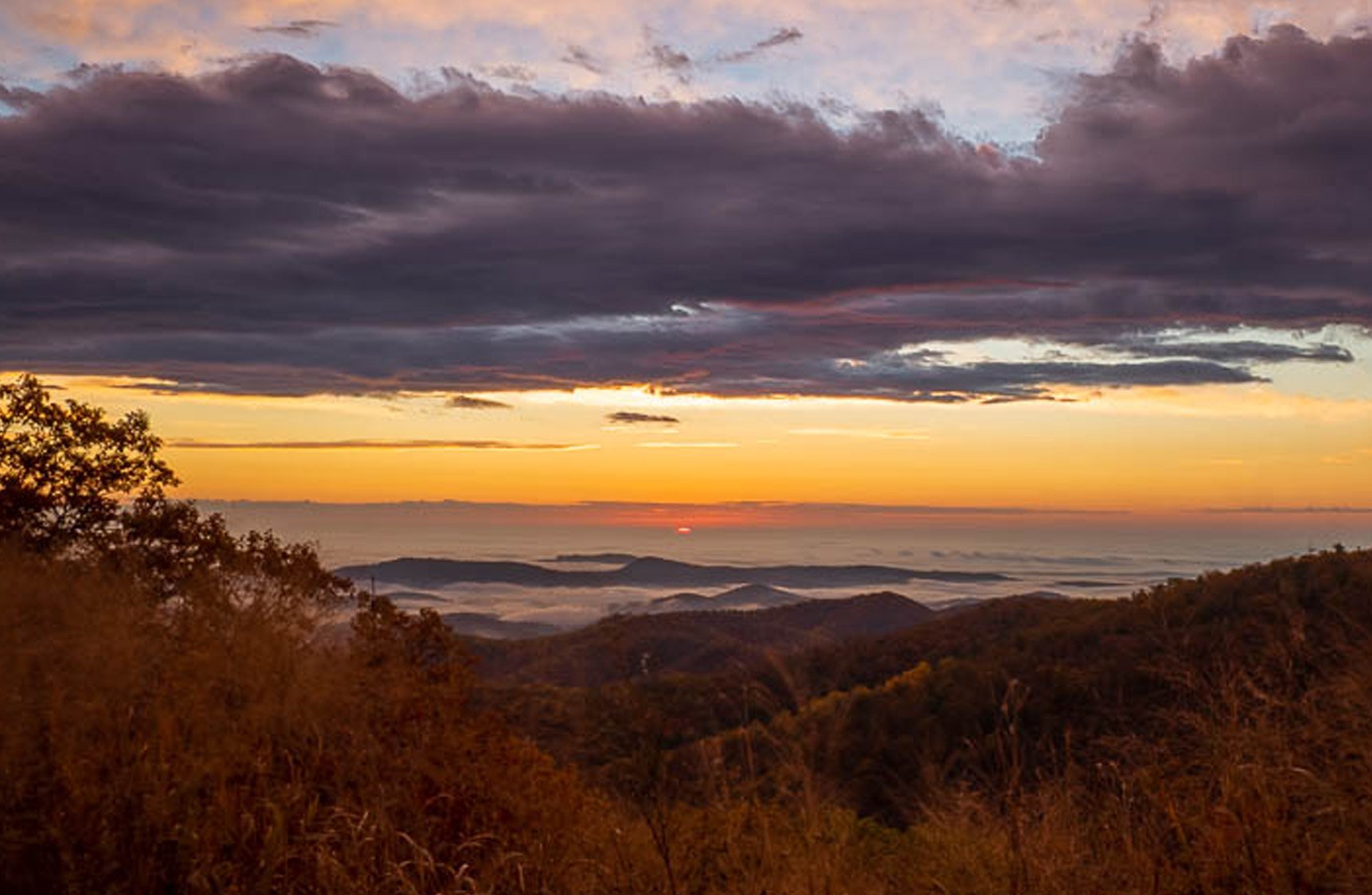
The View You’re Standing On Has a Past
Every year, nearly 2 million visitors enter Shenandoah National Park through the Front Royal entrance. They come for the overlooks, the waterfalls, the hikes, and the drive along Skyline Drive.
Most come for the views.
But very few realize something important:
Before Shenandoah was a national park… it was home.
Long before the overlooks, trail maps, and scenic pull-offs existed, families lived in these mountains—raising crops, tending livestock, building communities, and creating lives that would eventually be erased from the landscape.The history of the Shenandoah National Park is just as interesting as its beauty.
If you’ve ever explored the park using a guide like my
Front Royal & Warren County Travel Guide or
Shenandoah National Park Travel Guide,
you’ve likely driven right past places where entire communities once stood—without even knowing it.
A Mountain Community, Not Wilderness
Today, Shenandoah feels like untouched wilderness.
It isn’t.
Before the park was established in the 1930s, the Blue Ridge Mountains were home to more than 400 families. These weren’t isolated wanderers—they were farmers, laborers, and multi-generational families who had built lives on the mountain.
They lived in:
Small farms and homesteads
Orchards and cleared farmland
Tight-knit communities with churches and schools
In places like:
Hogback area (near today’s overlooks)
Hollow communities like Fox Hollow
Ridge-line settlements that are now hiking destinations
Much of what you see today—dense forest—was once:
Open farmland
Grazing land
Apple orchards
That means when you’re hiking popular trails or stopping at overlooks along Skyline Drive, you’re not just experiencing nature…
You’re walking through what used to be someone’s front yard.
The Creation of Shenandoah National Park
Shenandoah National Park was officially established in 1935, but the process began earlier during the Great Depression.
At the time, there was a major push to create a national park in the eastern United States—something accessible to people living in cities like Washington, D.C.
The Blue Ridge Mountains were chosen because of:
Their proximity to major population centers
The scenic ridge line (perfect for Skyline Drive)
The ability to create a “wilderness experience” close to home
There was just one problem:
People already lived there.
The Forced Removal of Mountain Families
To create the park, the state of Virginia had to acquire the land—and that meant removing the people who lived on it.
Over 400 families were displaced.
Some left voluntarily under pressure. Others were forced out through legal action.
Many of these families:
Did not have formal land deeds
Had lived on the land for generations
Had limited financial means to relocate
At the time, the situation was made worse by how the residents were portrayed.
Media and officials often described mountain families as:
“Backward”
“Isolated”
“In need of modernization”
But later research has shown that many of these claims were exaggerated or misleading—used to justify the removal process.
In reality, these were resilient communities with:
Strong family ties
Functional local economies
Deep knowledge of the land
One of the most well-known stories is the Corbin family of Nicholson Hollow, who were among the last to leave their home. Their land eventually became part of what visitors now experience as wilderness.
What Happened to Them?
Some families relocated nearby.
Others scattered across Virginia and beyond.
In certain cases:
Homes were dismantled or burned
Entire communities disappeared
Cemeteries were left behind
And that’s one of the most powerful reminders still in the park today.
The Hidden Remains You Can Still Find
Even now, nearly a century later, evidence of these communities still exists—you just have to know where to look.
You can still find:
Old stone foundations
Crumbling chimneys
Family cemeteries tucked into the woods
Remnants of orchards and farmland
One of the most well-known examples is Fox Hollow, where:
A homestead once stood
Foundations and artifacts remain
The story of the families has been partially preserved
Many visitors pass right by these areas while heading to popular stops like:
If you’ve used my guides like:
…you’ve likely been within minutes of these historical sites.
You just didn’t know what you were looking at.
Skyline Drive: Built Over a Lost Landscape
Skyline Drive, one of the most iconic scenic roads in America, was constructed in the 1930s—right after the land was cleared.
It follows the ridgeline where:
Homes once stood
Fields were once cultivated
Communities once gathered
Today, there are 75 overlooks along the drive, offering breathtaking views of the Shenandoah Valley and Piedmont.
But beneath those views is a layered history:
Natural beauty
Human settlement
Forced displacement
Reclaimed wilderness
Why This Story Matters Today
It’s easy to visit Shenandoah and think of it as untouched.
But understanding its history changes the experience completely.
It adds context to:
The land
The trails
The quiet spaces
It also raises important questions about:
Conservation vs. displacement
Who gets to define “wilderness”
The cost of creating national parks
And for places like Front Royal—the northern gateway to the park—it connects directly to the region’s identity today.
If you’re planning a visit, I highly recommend starting with:
Not just to explore—but to understand what you’re seeing.
The Next Time You Visit Shenandoah…
The next time you:
Stop at an overlook
Hike a trail
Drive Skyline Drive
Take a moment.
Look beyond the view.
Because somewhere beneath your feet, there’s a story:
A home that once stood there.
A family that once lived there.
A life that once existed there.
And while the forest has grown back…
The history is still there—if you know where to look.
More from Scott Turnmeyer
I write about photography, business, mindset, bowling, and the bigger questions that don’t always have easy answers. You can explore more articles, photography, and projects here:
Blog Home
About Scott Turnmeyer
Fine Art Photography
Photography Workshops & Experiences
Digital Consulting