
Why Expensive Cameras Don’t Make Better Photos
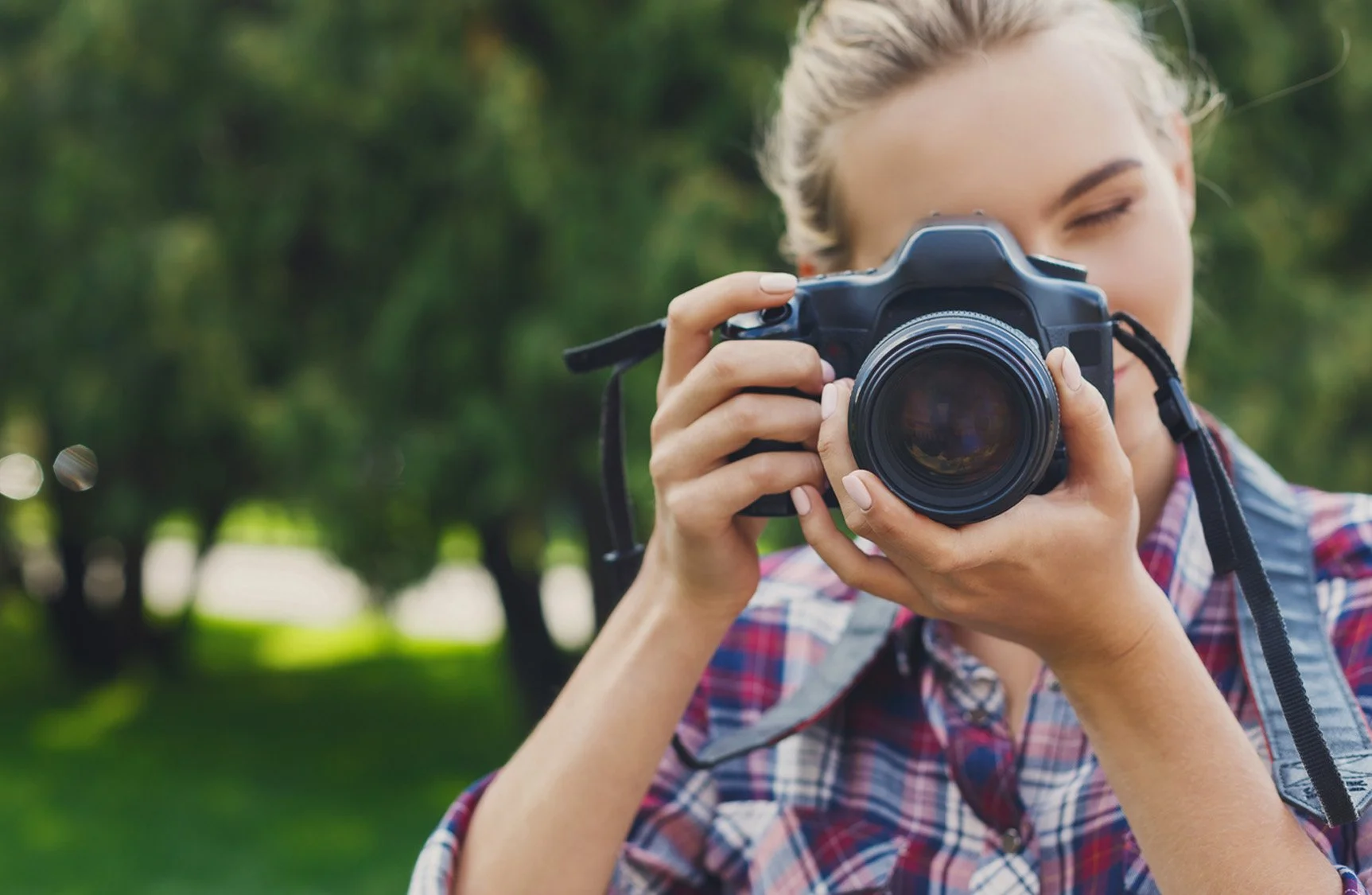
One of the most common questions I hear from people who want to get into photography is:
"What camera should I buy?"
It’s an understandable question. Cameras are expensive, there are hundreds of options, and it’s easy to think that better gear will automatically lead to better photos.
But the truth is, expensive cameras don’t make better photos.
The biggest difference between a beginner and an experienced photographer usually isn’t the camera — it’s composition, light, and understanding how to see a scene.
The Camera Matters Less Than You Think
Modern cameras are incredibly good.
Even entry-level cameras today are capable of producing professional-quality images, and phone cameras have improved to the point where you can take amazing photos without carrying any extra gear at all.
I’ve taken photos I love with:
crop sensor cameras
older DSLRs
and even an iPhone
The camera is just a tool.
What matters more is how you use it.
Composition Is More Important Than Equipment
In my last post, I talked about the Rule of Thirds, one of the most basic composition techniques in photography.
That rule alone will improve your photos more than buying a new lens.
Why?
Because people don’t react to photos based on what camera you used.
They react to:
light
subject
composition
mood
timing
You can take a boring photo with a $3000 camera.
You can take a great photo with a phone.
Understanding composition, framing, and light will always matter more than gear.
Phone Cameras Prove This
One of the best examples of this is how good phone cameras have become.
Most people carry a camera with them every day without thinking about it.
If you understand composition, you can take strong photos with an iPhone, Android phone, or any small camera, especially for landscapes, travel, and everyday photography.
The limitations of phone cameras are real, but they matter less than most people think.
What matters more is learning to see.
Why Beginners Focus Too Much on Gear
It’s easy to believe that better equipment will fix everything.
Buying gear feels like progress.
Learning photography takes time.
So people often look for the shortcut.
But the photographers who improve the fastest are usually the ones who:
practice often
study composition
pay attention to light
look at other photographers’ work
shoot in different conditions
make mistakes
Not the ones who buy the most equipment.
When Better Gear Does Matter
This doesn’t mean gear never matters.
Better cameras can help with:
low light photography
fast action
wildlife
night photography
large prints
professional work
But those benefits only matter once you understand the basics.
If composition is weak, a better camera won’t fix it.
If the light is bad, a better lens won’t fix it.
If the subject is boring, no camera will fix it.
What I Tell New Photographers
When people ask me what camera they should buy, my answer is usually simple:
Use what you have first.
Learn how to compose a photo.
Learn how light works.
Learn how to see.
Once you know what you want to photograph, then you can decide what gear actually helps you do it better.
Not the other way around.
Want to Learn How to Take Better Photos?
If you want to understand composition, camera settings, and how to take stronger photos with any camera, I teach small-group photography classes and workshops throughout the year in the Shenandoah Valley and Blue Ridge region.
You can learn more here:
Photography Classes & Workshops
https://turnmeyers.com/pages/scott-turnmeyer-photography-experiences
I also write regularly about photography, digital media, and visual storytelling here on the blog.
The camera you use matters far less than how you use it — and that’s actually good news for anyone who wants to get better at photography.
More Photography from Scott Turnmeyer
I write about landscape photography, night sky photography, camera technique, and photography workshops in the Shenandoah Valley and Blue Ridge Mountains. You can explore more photography, workshops, and articles here:
Fine Art Photography
Photography Workshops & Experiences
Blog Home
About Scott Turnmeyer
Digital Consulting