
What It’s Really Like to Be a Merchant on Main Street
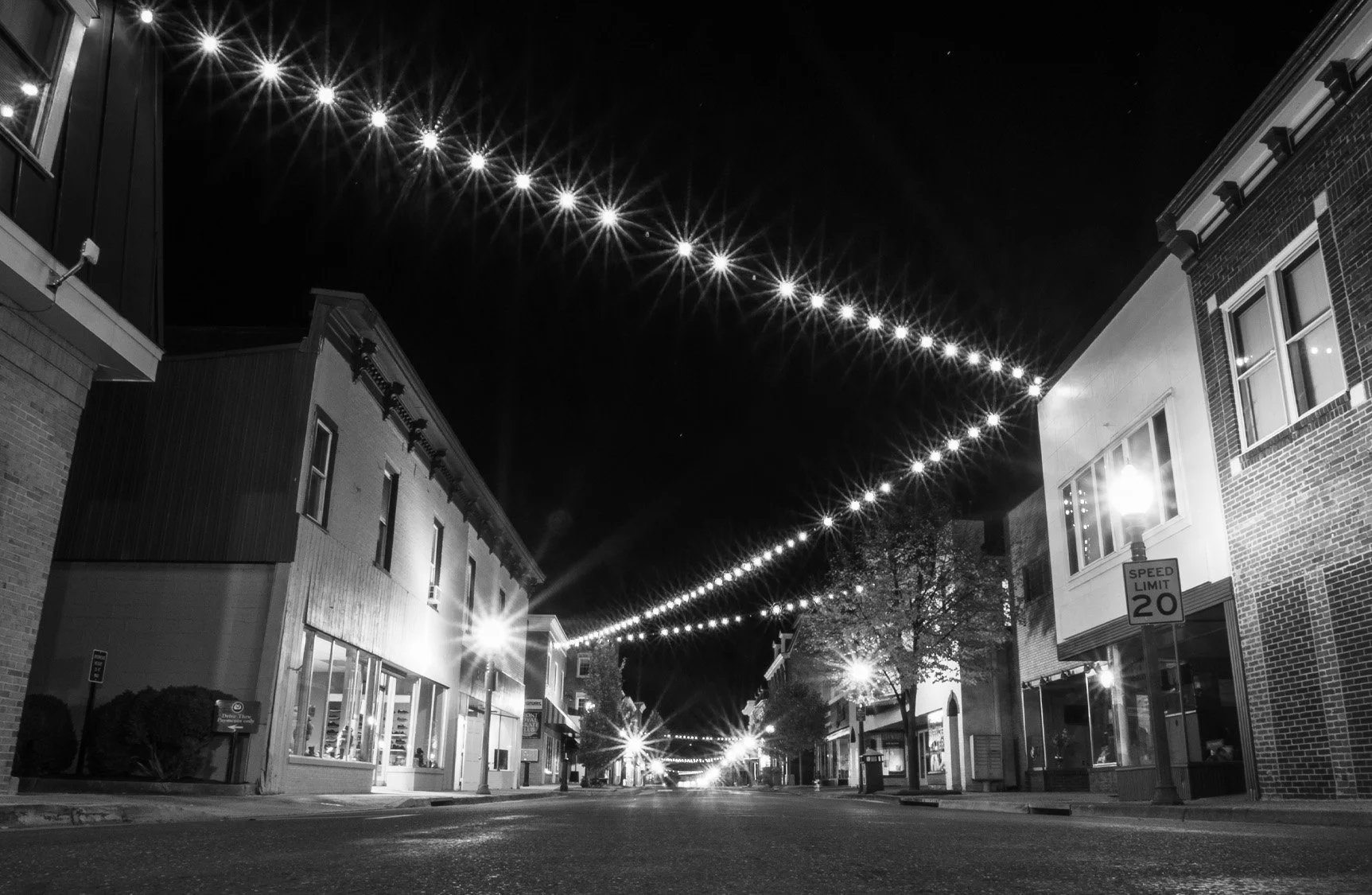
Downtown Front Royal at night by Scott Turnmeyer
Part of a Series on Small Town Economic Development
This article is part of an ongoing series exploring tourism, downtown challenges, and economic development in small towns.
Owning a business on Main Street in Front Royal, VA sounds romantic from the outside. I mean it’s Downtown Historic Front Royal, it cannot be bad, right?
People picture charming storefronts, busy sidewalks, festivals, tourists, and a strong sense of community. They imagine that if you open a shop in a historic downtown, customers will naturally show up and support local businesses simply because they’re local.
The reality is very different.
We’ve owned a retail business on Main Street for years. I care deeply about this town, this county, our downtown, and the people working hard to keep it alive. But the truth is that running a business here is far more difficult than most people realize, and many of the conversations happening about economic development, tourism, and downtown growth don’t match what merchants experience every day.
This isn’t written to attack anyone.
It’s written because the heart of any small town is it’s Main Street and it shows the health of the local economy. If we want Main Street to survive, we have to be honest about what it’s really like.
The part most people don’t see
One thing that surprises people the most is this:
Many people assume that if you own a business on Main Street, you must be doing well financially.
They see the building, the inventory, the lights on every night, and the hours we’re open, and it’s easy to think the owners must be making good money.
The truth is that many small businesses operate on very thin margins.
Rent, inventory, insurance, taxes, payroll, utilities, credit card fees, advertising, repairs — the list never stops. Most of us reinvest back into the business just to keep it going.
There are months where you do well.
There are months where you barely break even.
There are months where you lose money and hope the next season makes up for it.
Most merchants stay open not because it’s easy, but because they care about what they built and they care about the town. This is probably where we are right now.
Locals alone can’t support a downtown anymore
Years ago, in the days of Franks, Newberry’s and our other fond memory places a small town could survive mostly on local spending.
That isn’t the world we live in now.
People shop online.
People travel farther for work.
People have more options than ever.
Even people who want to support local businesses can’t do all of their shopping locally.
That’s not anyone’s fault. It’s just reality.
A modern downtown needs outside dollars — tourism, visitors, events, and new investment — or the numbers don’t work.
Without that balance, the burden falls entirely on the same group of residents, and that’s not sustainable for businesses or for taxpayers.
Events help, but they don’t fix the problem
We hear it all the time — we just need more events.
Events are good.
They bring people in.
They create energy.
But events alone don’t build a strong downtown.
You can have a packed street one weekend and empty sidewalks the next. What keeps businesses alive is consistent traffic, not just occasional crowds.
That only happens when marketing, tourism, business development, and long-term planning all work together.
Marketing is not optional anymore
One of the biggest differences between towns that are growing and towns that are struggling is marketing.
If people don’t know what’s here, they won’t come.
Successful towns don’t just wait for visitors. They reach outside their immediate area and bring people in. Once visitors arrive, individual districts promote themselves with maps, websites, business listings, event calendars, email lists, and targeted advertising.
This isn’t a new idea. It’s done all over the country.
And it works — when it’s done consistently.
Without real marketing, without outreach beyond our local circle, and without coordination, it becomes very hard for any downtown to grow no matter how much potential it has.
A strong Main Street needs a mix of businesses
Another mistake is thinking downtown should be one thing.
Some people want restaurants.
Some want tourism shops.
Some want services.
Some want only businesses locals use every week.
The truth is that a healthy Main Street needs all of it.
Locals keep things steady.
Tourists bring outside money.
Restaurants bring traffic.
Retail gives people a reason to walk around.
Events create energy.
When a downtown depends on only one type of customer, it becomes fragile.
Diversification is what keeps it alive.
The part that’s hardest to say
Last night we saw another important Main Street business announce they were leaving.
That’s never easy to see, especially when the numbers are staring you in the face as well.
What people may not realize is that many of us quietly ask ourselves the same questions all the time.
Do we stay open?
Do we downsize?
Do we sell?
Do we move somewhere else?
Do we close?
Those aren’t dramatic questions.
They’re real ones.
Running a small business today is harder than most people think, and every time another storefront goes dark, the pressure on the rest of us gets a little heavier.
This isn’t about blame
Small towns everywhere are dealing with the same challenges.
Online shopping.
Higher costs.
Changing habits.
More competition.
Tighter budgets.
But the towns that are finding success are the ones willing to face reality and adapt.
They invest in marketing.
They work together across organizations.
They bring in outside dollars.
They support a mix of businesses.
They focus on long-term strategy instead of short-term comfort.
Main Street can work.
But it doesn’t work automatically.
And for those of us who unlock the doors every morning, the hope is that we keep moving forward — because standing still is what usually causes downtowns to slowly fade away.
Small Business & Digital Strategy Articles
I write about website strategy, SEO, small business marketing, and the real-world challenges of running and growing a business. You can learn more about my consulting work, read additional articles, or explore my other projects here:
Digital Consulting
Blog Home
About Scott Turnmeyer
Photography & Creative Work
Photography Workshops & Experiences