
Should Front Royal Build a Parking Garage? Let’s Actually Run the Numbers
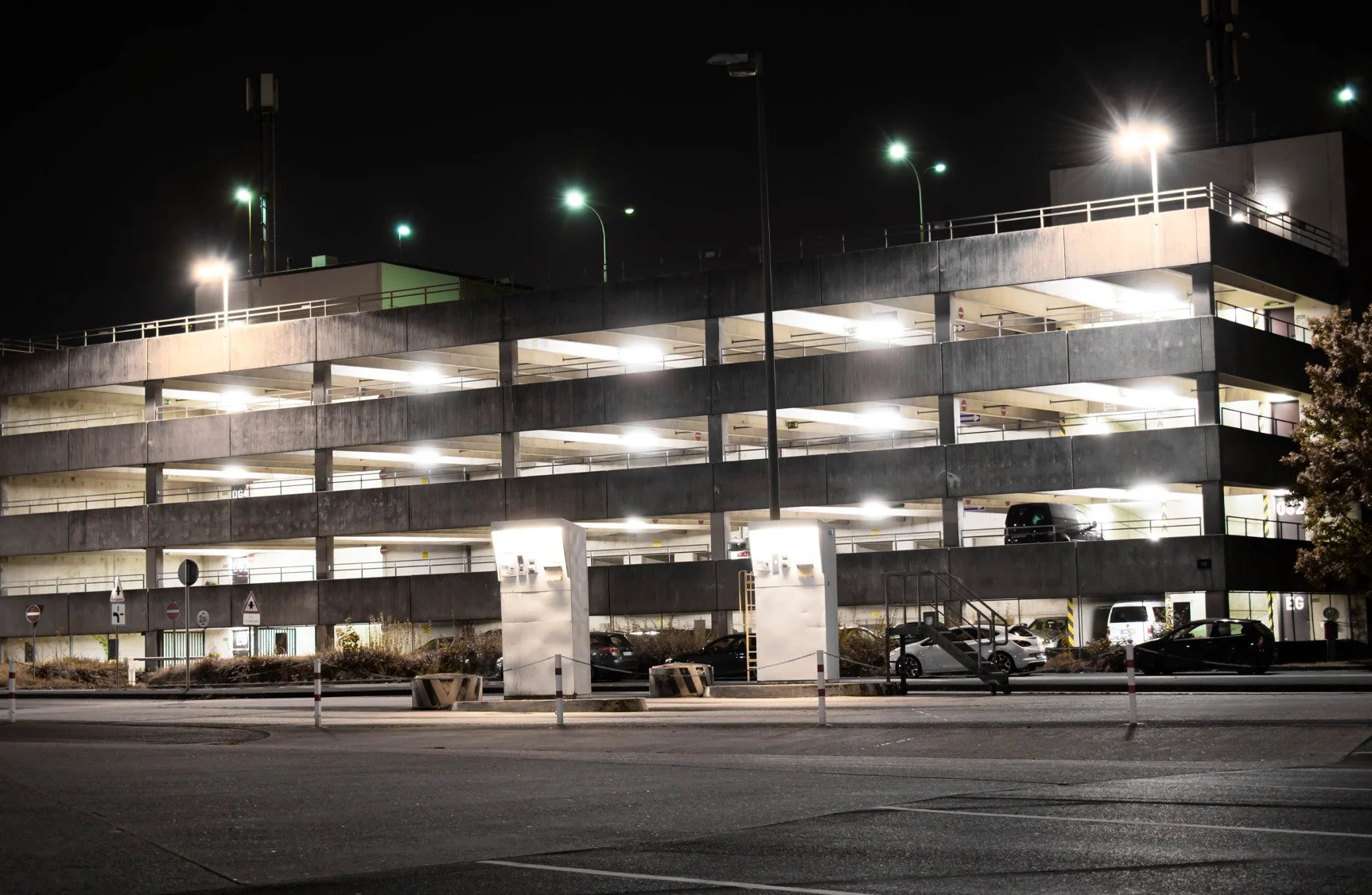
Every time parking comes up in Front Royal, Virginia, the same solution gets mentioned:
“We need a parking garage.”
It sounds simple.
It sounds like a fix for Downtown Front Royal.
But here’s the real question:
Is a parking garage actually solving a problem—or just reacting to perception?
In previous articles I wrote Is Parking Really a Problem in Downtown Front Royal and Would a Pedestrian-Only Main Street Actually Work in Frotn Royal? That article lead to a lot of passionate answers and conversations, which is great, but I felt like data is not always looked at and perhaps we should explore this further.
The Reality: Parking Garages Are Expensive
Let’s start with the part most people don’t talk about.
Parking garages are not small projects.
Depending on size and structure, a garage can cost:
$20,000–$40,000 per space (typical industry range)
A 300-space garage → $6M to $12M+
Add land, design, and infrastructure → easily higher
That’s real taxpayer money. That’s build a new school type of money.
What Problem Are We Actually Solving?
Before building anything, we need to define the problem clearly.
Is it:
lack of parking spaces?
poor distribution of parking?
convenience expectations?
peak-time congestion?
Because those are very different problems.
And they don’t all require the same solution.
Usage Matters More Than Capacity
Here’s where it gets interesting.
A parking garage only makes sense if it’s consistently used.
If it’s:
full 2–3 days a week
half-empty the rest of the time
That’s not a parking problem.
That’s a peak demand problem.
And building permanent infrastructure for peak demand is expensive.
What Would It Take to Justify It?
Let’s think about this practically.
To justify a multi-million dollar garage, you’d need:
consistent high occupancy
year-round demand
a revenue model (fees, taxes, or both)
measurable economic return
Otherwise, you’re building for perception, not necessity.
Alternative Questions We Should Be Asking
Instead of jumping to construction, we should ask:
Are existing parking areas being fully used?
Is signage and awareness the issue?
Are people unwilling to walk a few blocks?
Are there better ways to distribute traffic?
Sometimes the issue isn’t supply—it’s behavior.
Tourism, Growth, and Expectations
This ties directly into a bigger conversation.
If tourism grows, demand increases.
But growth doesn’t automatically mean building more infrastructure.
It might mean:
better planning
better flow
better expectations
The Risk of the Wrong Investment
A parking garage is not just a financial decision.
It’s a long-term commitment.
If we get it wrong:
millions are spent
flexibility is lost
opportunity cost is real
That same investment could have gone toward:
business development
tourism marketing
infrastructure that directly drives growth
So… Should We Build One?
Maybe. Maybe not.
But not because it feels like we should.
Only if the data supports it.
Only if the usage justifies it.
Only if it aligns with a long-term strategy.
Otherwise, we risk solving the wrong problem.
Final Thoughts
Parking is an easy thing to point to.
It’s visible.
It’s immediate.
It’s frustrating at times.
But that doesn’t mean it’s the root issue.
Before investing millions of dollars, we need to be clear about what problem we’re trying to solve.
Because the goal isn’t just to build something.
It’s to build the right thing.
More from Scott Turnmeyer
I write about photography, business, mindset, bowling, and the bigger questions that don’t always have easy answers. You can explore more articles, photography, and projects here:
Blog Home
About Scott Turnmeyer
Fine Art Photography
Photography Workshops & Experiences
Digital Consulting