
Would a Pedestrian-Only Main Street Actually Work in Front Royal?
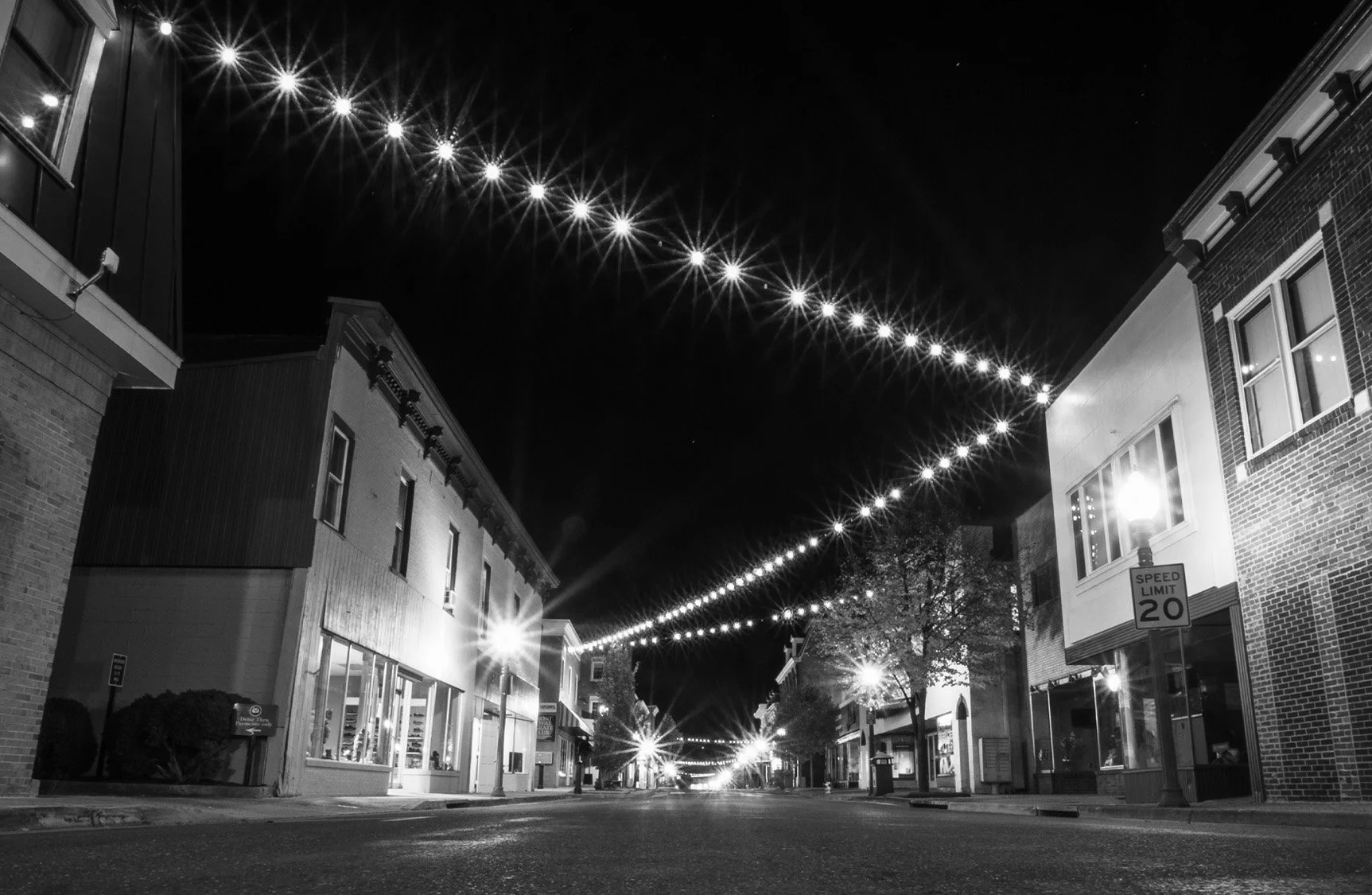
“What if we just closed Main Street to cars?”
It’s one of the most common ideas I hear in conversations about downtown Front Royal.
And on the surface—it sounds like a great solution.
But would it actually work here?
What a Pedestrian-Only Main Street Really Means
A pedestrian-only Main Street typically means:
No vehicle traffic through the core corridor
Expanded space for walking, shopping, and gathering
Restaurants extending seating into the street
Events, music, and public spaces becoming central features
In the right environment, it can transform a downtown.
But it’s important to understand something upfront:
👉 A pedestrian mall doesn’t create demand—it amplifies demand that already exists.
The Upside: Why People Suggest It
To be fair, there are real benefits to a pedestrian-focused downtown:
A more enjoyable visitor experience
Increased time spent in shops and restaurants
Safer, more walkable streets
A stronger sense of place and community
And when it works, it works really well.
One of the most well-known examples in Virginia is the Downtown Mall—a thriving pedestrian corridor filled with restaurants, retail, and constant foot traffic.
But that success didn’t happen just because they removed cars.
The Reality: What Makes a Walking Mall Work
Successful pedestrian downtowns tend to have a few things in common:
Consistent, high foot traffic (not just weekends)
A strong mix of retail, dining, and experiences
Built-in demand from residents, visitors, or both
A reason for people to be there before the street is closed
In other words:
👉 The activity comes first.
👉 The pedestrian space enhances it.
Applying That to Front Royal
This is where the conversation gets more grounded.
Earlier this week, I looked at downtown parking and found roughly 500 public spaces, many of which aren’t fully utilized on a typical day.
That raises an important question:
If we close Main Street to vehicles, what actually changes?
We remove some of the most convenient parking
We shift traffic to surrounding streets
We potentially increase the perception of limited access
But do we increase demand?
Because if demand doesn’t change, then closing the street doesn’t solve the core issue—it just changes how people experience it.
The Parking Ripple Effect
Main Street currently provides some of the most visible and convenient parking downtown.
Closing it would:
Remove ~40 highly accessible spaces
Push parking demand into surrounding areas
Increase walking distance for some visitors
Even if total parking supply remains the same, perception matters.
And as we’ve already seen, perception often drives behavior more than reality.
For more parking related discussion, please see my Should Front Royal Build a Parking Garage? Let’s Actually Run the Numbers article.
The Bigger Question: Demand vs Design
This is the core of the conversation.
A pedestrian Main Street doesn’t create demand—it amplifies demand.
If downtown is already:
busy
active
consistently drawing people
Then a pedestrian layout can elevate the experience.
But if foot traffic is inconsistent, closing the street doesn’t fix that.
It simply changes the environment those same visitors move through.
If closing a street alone created activity, every small town would have done it already.
A More Realistic Approach
Instead of an all-or-nothing approach, there are more flexible options that can achieve many of the same goals:
Temporary street closures during peak weekends or events
Expanded outdoor dining zones
Better connections between parking areas and Main Street
Shuttle concepts to improve accessibility
These approaches allow downtown to evolve without removing access entirely.
So… Would It Work?
Could a pedestrian-only Main Street work in Front Royal someday?
Maybe.
But that depends on something bigger than street design.
It depends on:
consistent demand
strong business mix
a reason for people to be downtown regularly—not occasionally
Because the reality is this:
👉 The experience doesn’t create the traffic.
👉 The traffic makes the experience work.
Final Thoughts
The idea of a pedestrian Main Street isn’t wrong.
In the right conditions, it can be incredibly successful.
But it’s not a shortcut. It’s a multiplier.
And the real question for Front Royal isn’t whether we can redesign Main Street.
It’s whether we’ve built the level of activity that would make that redesign successful.
For further discussion I also wrote What a Walking Mall Would Actually Change in Front Royal, Virginia.
More from Scott Turnmeyer
I write about photography, business, mindset, bowling, and the bigger questions that don’t always have easy answers. You can explore more articles, photography, and projects here:
Blog Home
About Scott Turnmeyer
Fine Art Photography
Photography Workshops & Experiences
Digital Consulting