
What a Walking Mall Would Actually Change in Front Royal, Virginia
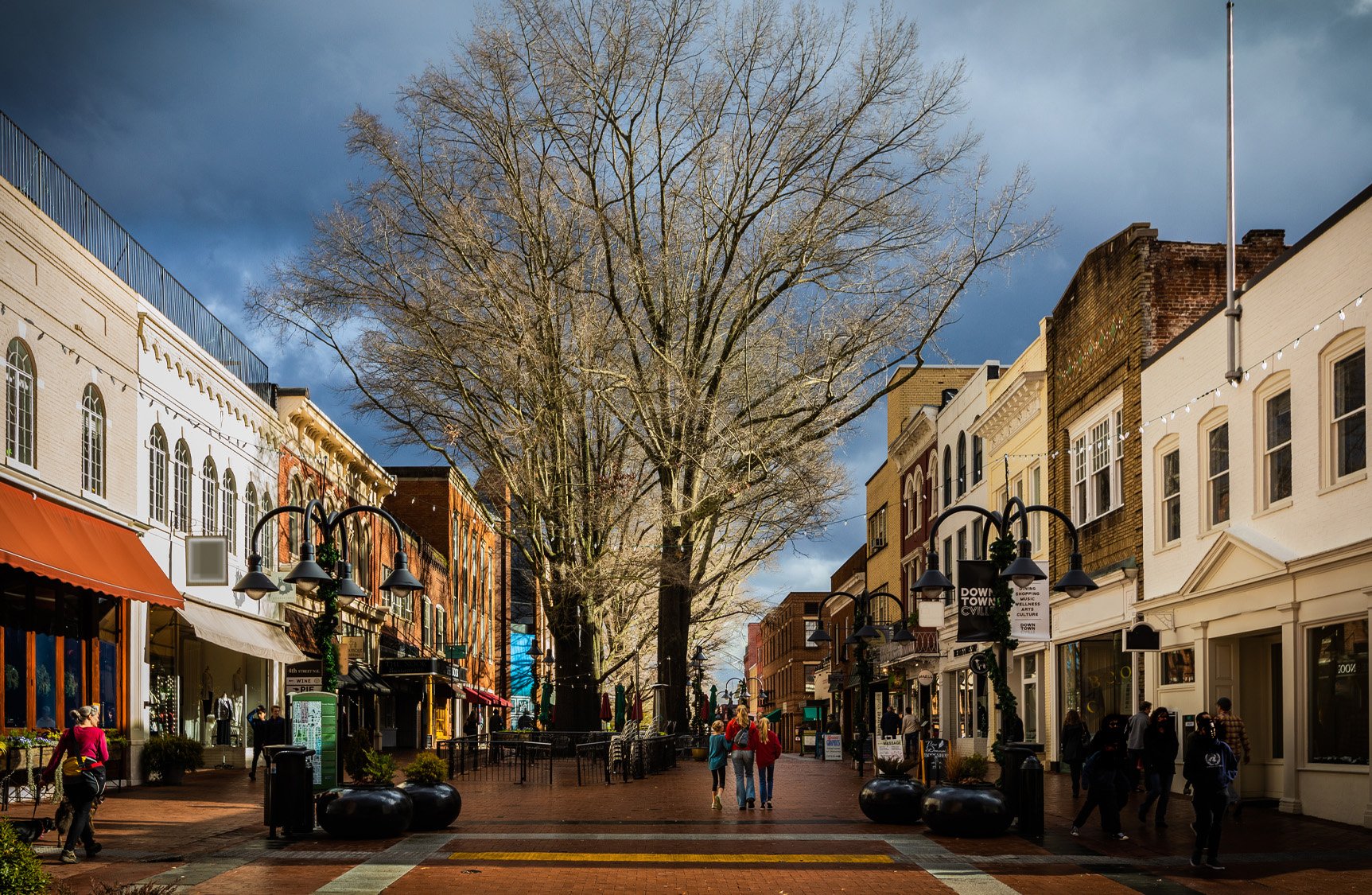
The conversation around a walking mall on Historic Main Street in Front Royal has picked up a lot of momentum.
Some people love the idea.
Some people strongly oppose it.
But most of the discussion stays at the surface level:
“It would bring more people downtown”
“It would hurt businesses”
The reality is more complex than that.
Because converting part of downtown Front Royal into a pedestrian-only space doesn’t just change traffic patterns.
It changes the entire economic model of the area.
In previous articles I wrote Is Parking Really a Problem in Downtown Front Royal and Would a Pedestrian-Only Main Street Actually Work in Frotn Royal? That article lead to a lot of passionate answers and conversations, which is great, but I felt like data is not always looked at and perhaps we should explore this further.
What the Data Actually Shows
Pedestrian malls are not a new idea.
In fact, over 200 cities in the United States tried them in the mid-1900s.
Most didn’t last.
Some studies estimate that as many as 89% of pedestrian malls in the U.S. failed or were removed. (ResearchGate)
Many were eventually reopened to cars after struggling with low foot traffic and declining retail performance. (Bloomberg)
But that’s not the whole story.
Some have worked extremely well.
Examples like:
Boulder, Colorado
Santa Monica, California
Charlottesville, Virginia
So the real takeaway is this:
Pedestrian malls don’t automatically succeed or fail.
They depend heavily on the environment around them.
Why Some Walking Malls Work
Successful pedestrian areas tend to share a few key traits:
Strong tourism base
Built-in foot traffic (college towns, attractions, etc.)
Dense mix of restaurants, retail, and entertainment
Short, walkable sections (not overly long corridors)
In many successful cases, the business mix shifts toward:
food and beverage
experiences
entertainment
rather than traditional retail.
This is important.
Because a walking mall doesn’t just increase foot traffic.
It changes what types of businesses can succeed.
Why Many Walking Malls Fail
On the other side, many pedestrian conversions struggled because:
there wasn’t enough consistent foot traffic
downtown wasn’t already a strong destination
businesses weren’t aligned with the new model
In fact, research shows pedestrian malls are more likely to fail in areas that are already struggling rather than revive them.
That’s the key point.
A walking mall is not a fix for a weak downtown.
It amplifies what already exists.
What This Would Actually Change in Front Royal, VA
If a walking mall were implemented in Front Royal, Virginia, here’s what would realistically change:
1. Traffic and Parking Patterns
Cars don’t disappear.
They redistribute.
That means:
increased pressure on surrounding streets
more importance on parking clarity and signage
greater expectations for walkability
This ties directly into the broader conversation about parking in Front Royal, VA.
2. Business Mix on Historic Main Street in Front Royal
Over time, you would likely see a shift toward:
restaurants
breweries
coffee shops
event-driven businesses
Retail-only businesses may struggle unless they benefit from high foot traffic.
This pattern has played out in multiple cities where pedestrian areas became more food and entertainment focused.
3. Foot Traffic vs. Sales Reality
More people walking does not always mean more spending.
In some cities, pedestrian zones increased visits and tourism—but not all businesses benefited equally.
Restaurants often saw gains, while retail shops sometimes saw little impact or declines depending on location and visibility.
4. Expectations Around Downtown Front Royal
A walking mall changes expectations.
It shifts downtown Front Royal from:
a place you drive to
to:
a place you experience
That’s a major shift.
And it requires:
consistent activity
events
programming
marketing
What Has to Go Right
For something like this to work in Front Royal, Virginia, several things would need to align:
clear tourism strategy
strong business coordination
intentional marketing
consistent programming and events
buy-in from both town and county
Without those pieces, the risk increases significantly.
What Could Go Wrong
If implemented without a clear strategy:
foot traffic could be inconsistent
businesses could struggle to adapt
frustration around parking could increase
the space could feel underutilized
And once a decision like this is made, it’s not easy to reverse.
This Is Not Just a Design Decision
This is the most important takeaway.
A walking mall is not:
a streetscape improvement
a cosmetic upgrade
It is:
a shift in how the downtown economy functions
That’s why this conversation matters.
Final Thoughts
There are a lot of great ideas around Things to do in Front Royal.
And there’s no question the area has incredible potential.
But decisions like this shouldn’t be driven by:
emotion
assumptions
or comparisons without context
They should be driven by:
data
alignment
and a clear long-term strategy
Because a walking mall doesn’t create success on its own.
It either amplifies what’s already working…
or exposes what isn’t.
More from Scott Turnmeyer
I write about photography, business, mindset, bowling, and the bigger questions that don’t always have easy answers. You can explore more articles, photography, and projects here:
Blog Home
About Scott Turnmeyer
Fine Art Photography
Photography Workshops & Experiences
Digital Consulting