
Golden Hour Photography – What It Is, When It Happens & How to Use It
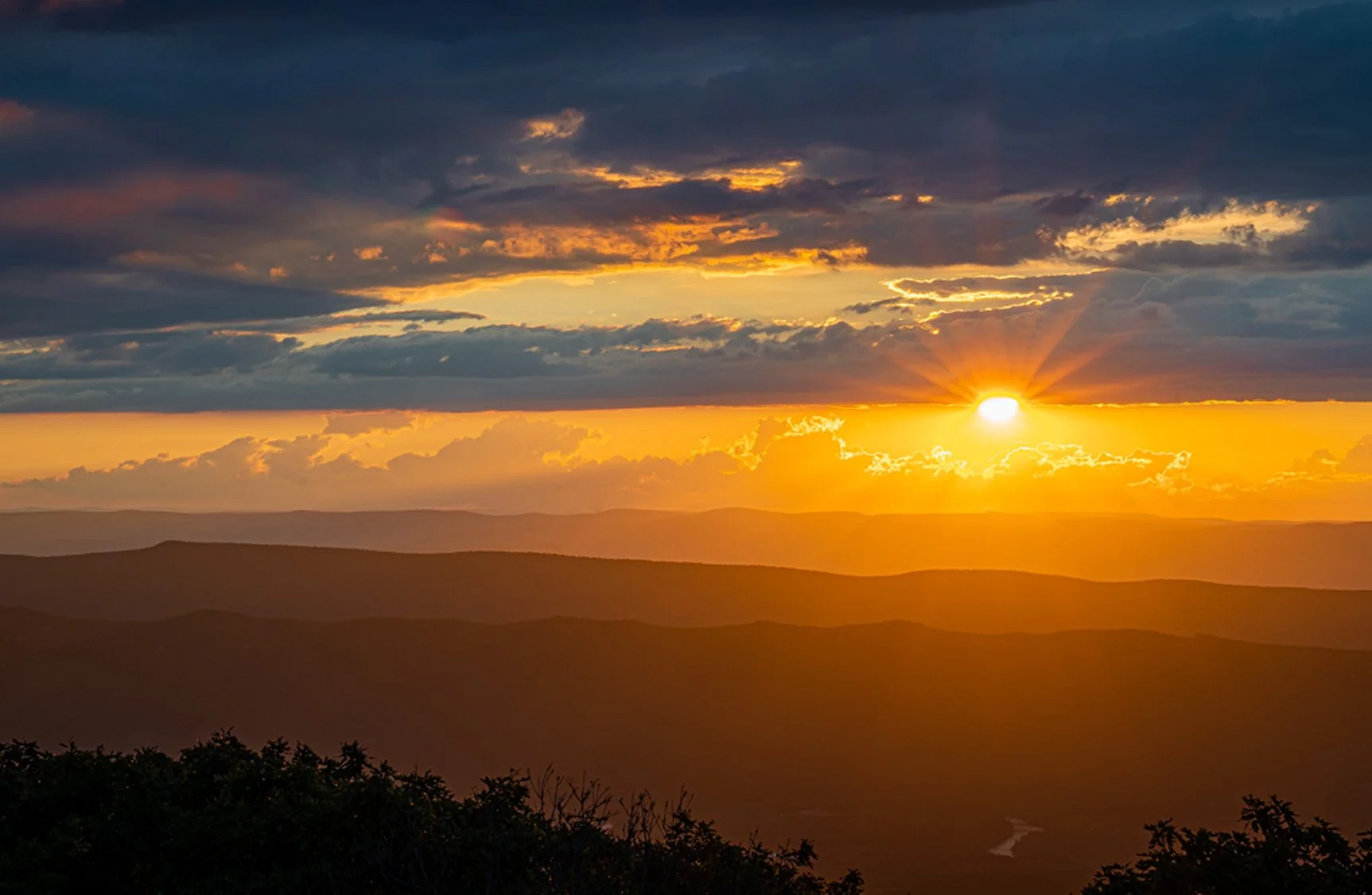
Golden hour refers to the period shortly after sunrise and just before sunset when the sun is low in the sky, producing soft, warm, and directional light.
This type of light is ideal for photography because it:
reduces harsh shadows
adds natural color warmth
creates depth and contrast
enhances landscapes and portraits
One of the easiest ways to improve your golden hour photography is by combining great light with strong composition techniques like the Rule of Thirds, which helps create more balanced and visually engaging images.
Golden hour photography is one of the best ways to improve your photos…
When Is Golden Hour?
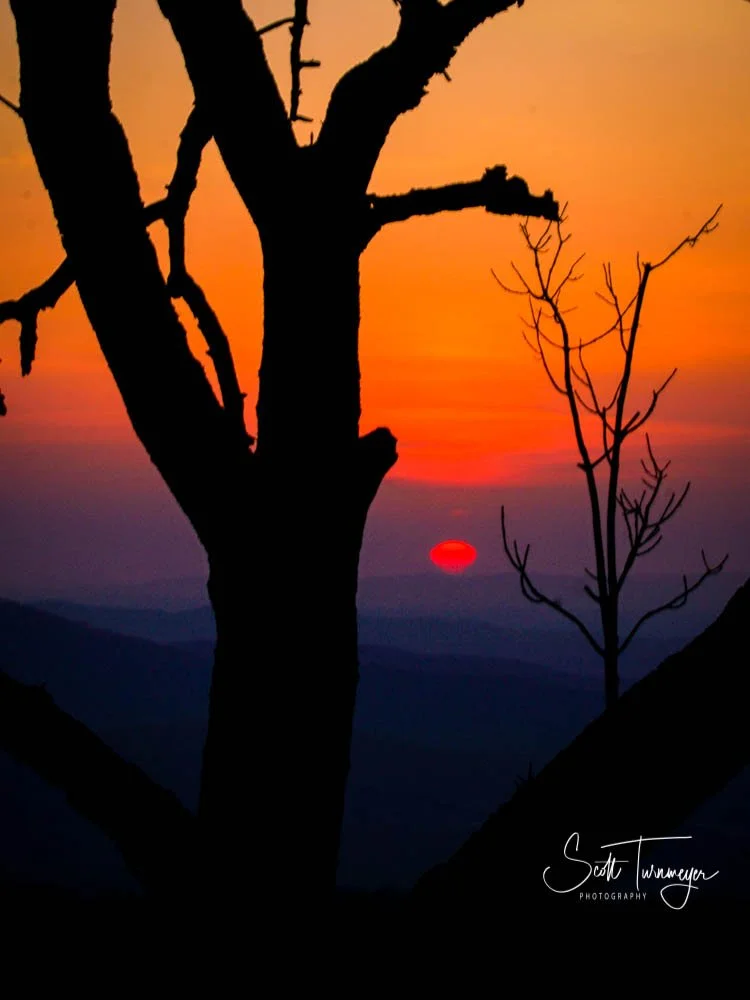
Golden hour happens:
Shortly after sunrise
Shortly before sunset
The exact timing depends on your location, time of year, and weather conditions.
Typically:
lasts about 30–60 minutes
shorter in summer
longer in winter
💡 Pro Tip:
Instead of guessing, you can use tools like weather apps or online calculators to find the exact golden hour time for your location.
Why Golden Hour Is So Important
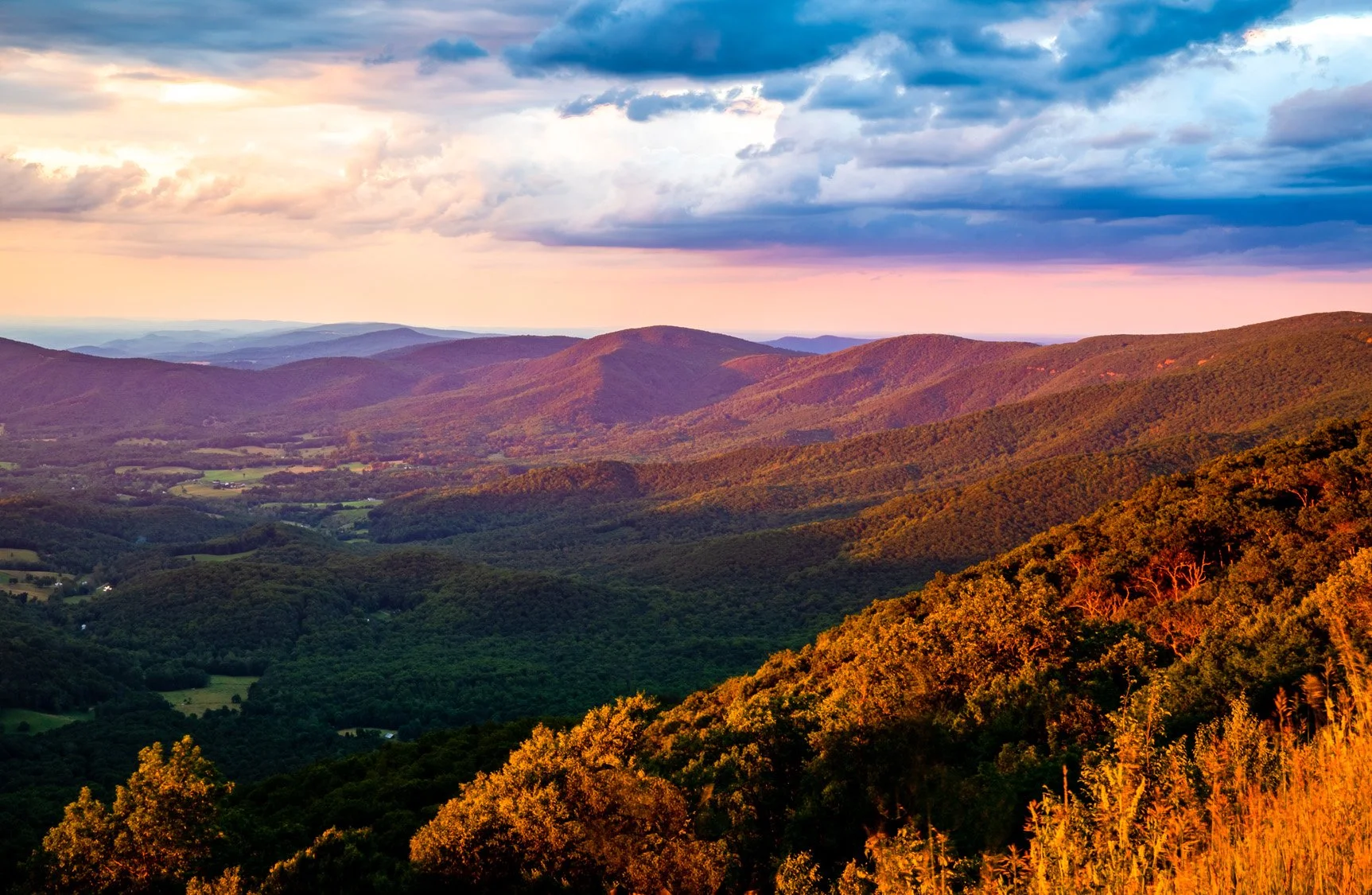
Key advantages:
1. Soft Light
The sun is lower, which reduces harsh contrast and blown highlights.
2. Warm Color Tones
Golden hues enhance:
skin tones
landscapes
natural environments
3. Long Shadows
These create:
depth
texture
visual interest
4. Directional Light
Light coming from an angle adds dimension instead of flattening the scene.
Golden Hour Camera Settings
Golden hour is forgiving, but you still want control.
Suggested starting settings:
ISO: 100–200
Aperture: f/8 – f/11 (landscapes)
Shutter Speed: adjust based on light
📌 Tips:
slightly underexpose to preserve highlights
use manual mode if possible
adjust white balance if needed
Golden Hour for Landscape Photography
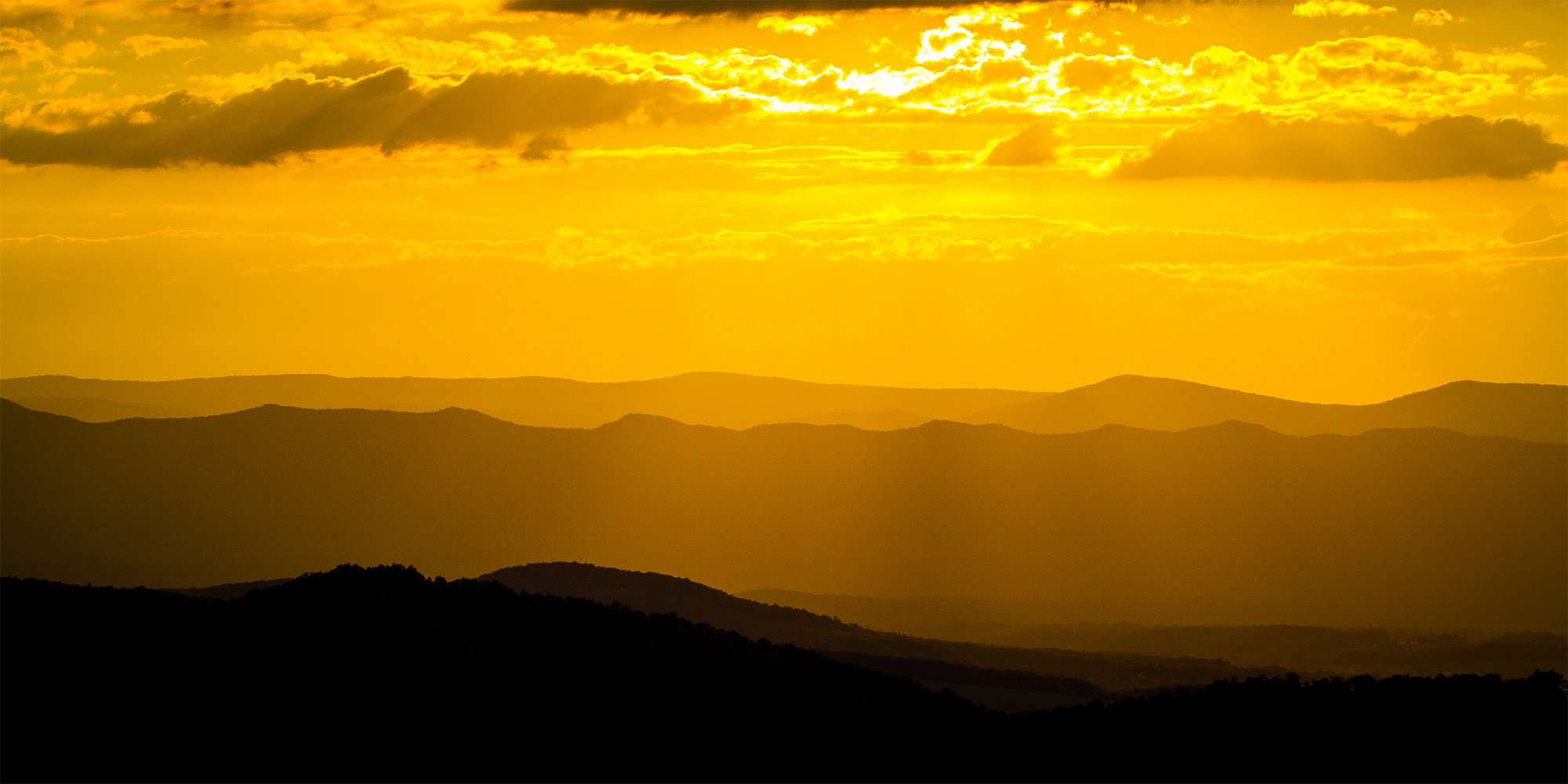
Golden hour is where landscape photography really shines.
This is when you get:
layered mountain depth
glowing highlights on ridges
atmospheric haze separation
Composition tip:
Use:
foreground
midground
background
Golden hour enhances all three.
Golden Hour for Portrait Photography
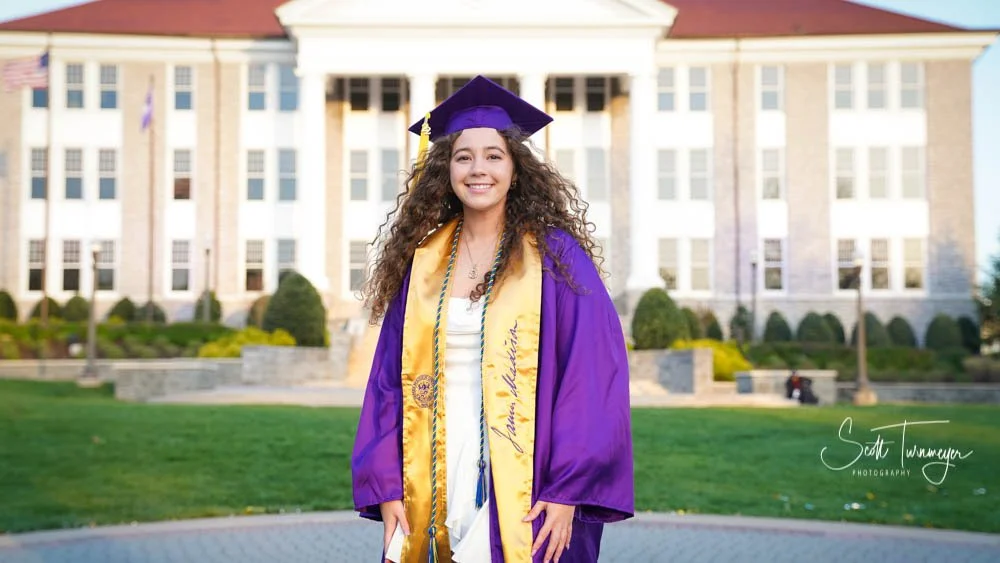
Golden hour is also ideal for portraits.
softer skin tones
flattering light
less harsh shadows
Position your subject:
facing the light (soft glow)
or backlit (for dramatic effect)
Common Golden Hour Mistakes
1. Showing up too late
The best light happens before the sun fully sets
2. Not planning your location
Golden hour is short — know where you’re shooting
3. Blowing out highlights
Watch your exposure
4. Ignoring clouds
Clouds = better color and drama
Golden Hour vs Blue Hour
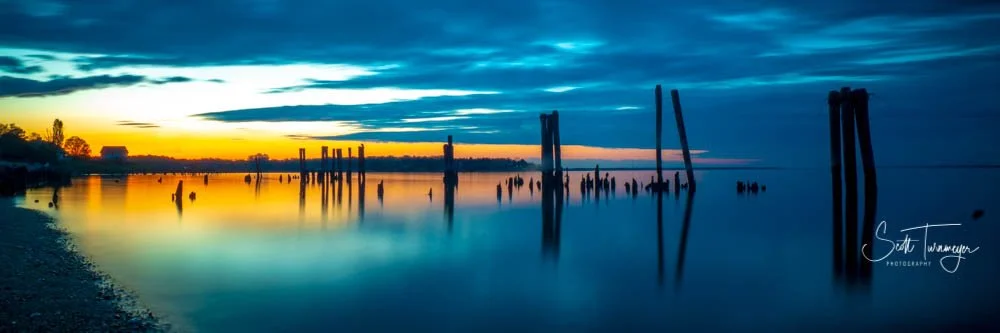
Golden hour happens before sunset
Blue hour happens after sunset
golden hour = warm tones
blue hour = cool tones
Both are worth shooting
Real-World Example
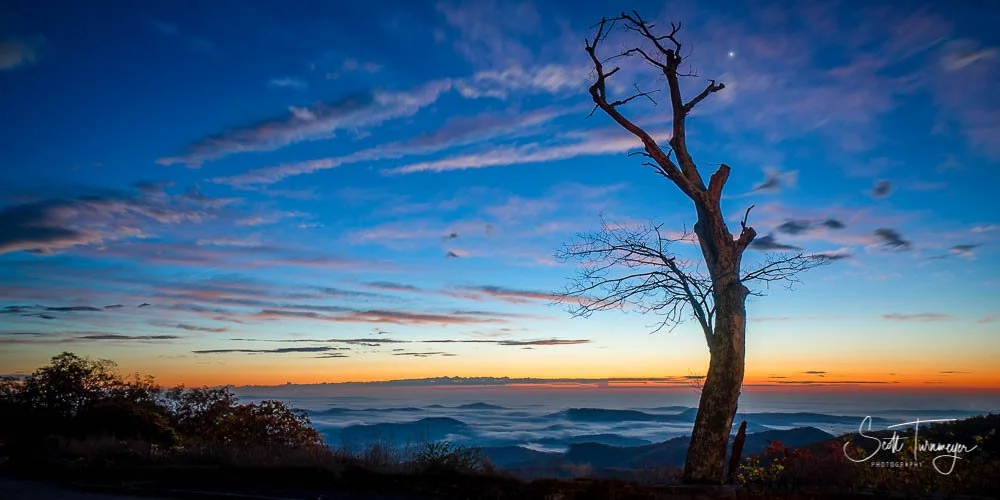
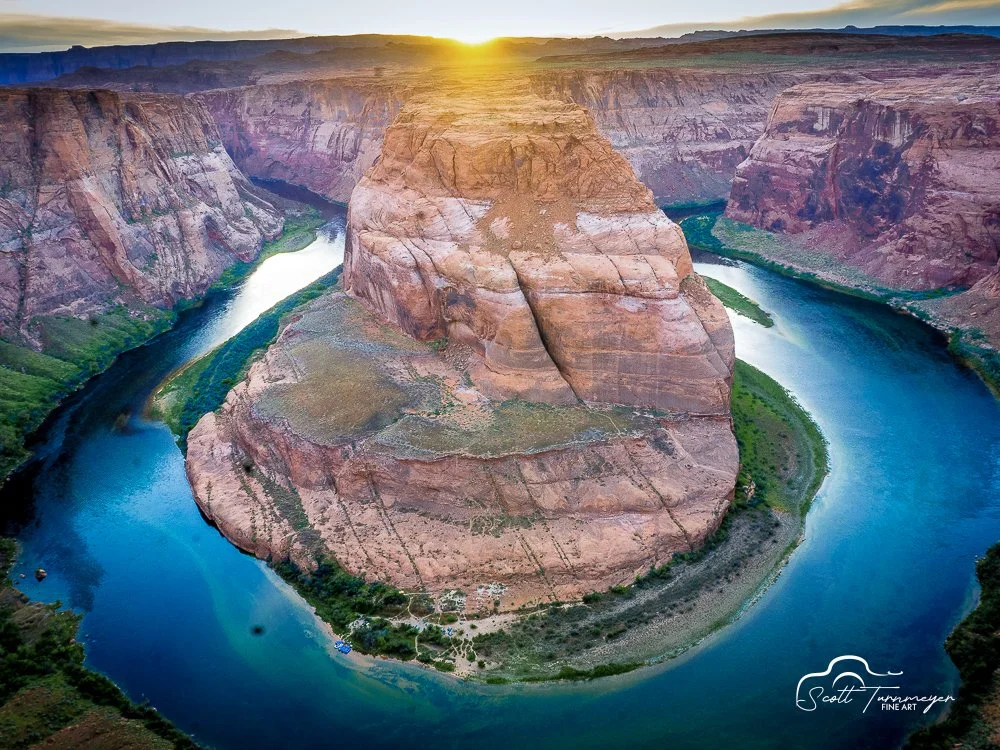
If you’ve ever photographed places like:
Skyline Drive overlooks
desert landscapes in the Southwest
You’ve seen how dramatically golden hour changes a scene.
Final Thoughts
Golden hour is one of the easiest ways to improve your photography without changing your gear.
It’s not about having the best camera — it’s about using the best light.
If you start paying attention to when and how you shoot, you’ll see an immediate difference in your photos.
FAQ – Golden Hour Photography
What time is golden hour?
Golden hour occurs shortly after sunrise and just before sunset. The exact time varies depending on your location and time of year, but it typically lasts between 30 to 60 minutes.
How long does golden hour last?
Golden hour usually lasts around 30 to 60 minutes. In summer, it can be shorter, while in winter it may last longer due to the sun’s lower angle in the sky.
Is golden hour before or after sunset?
Golden hour happens both before sunset and after sunrise. The most popular time for photography is just before sunset when the light is warm and directional.
Why is golden hour best for photography?
Golden hour provides soft, warm, and directional light that reduces harsh shadows and enhances colors, making it ideal for both landscape and portrait photography.
What camera settings should I use during golden hour?
Start with a low ISO (100–200), a smaller aperture for landscapes (f/8–f/11), and adjust your shutter speed based on available light. Slightly underexposing can help preserve highlights.
More Photography from Scott Turnmeyer
I write about landscape photography, night sky photography, camera technique, and photography workshops in the Shenandoah Valley and Blue Ridge Mountains. You can explore more photography, workshops, and articles here:
Fine Art Photography
Photography Workshops & Experiences
Blog Home
About Scott Turnmeyer
Digital Consulting