
Rule of Thirds in Photography Explained (Real Examples + How to Use It)

Colonial Sunset by Scott Turnmeyer - Taken in Colonial Beach, Virginia
The rule of thirds is one of the most important composition techniques in photography—and one of the easiest ways to instantly improve your photos.
In this guide, the rule of thirds will be explained. I’ll break down exactly what the rule of thirds is, how to use it, and show real-world examples from landscape and everyday photography so you can start using it right away.
What Is the Rule of Thirds in Photography?
The rule of thirds is a composition technique that divides an image into nine equal parts using two horizontal and two vertical lines.
By placing your subject along these lines—or at their intersections—you create a more balanced, natural, and visually engaging photo.
Quick Example of the Rule of Thirds
Here are a few quick examples of the Rule of Thirds in practice, to see more examples of how I utilize the rule of thirds when photographing landscapes and wildlife in the Shenandoah National Park, check Rule of Thirds Real World Examples from the Shenandoah National Park.
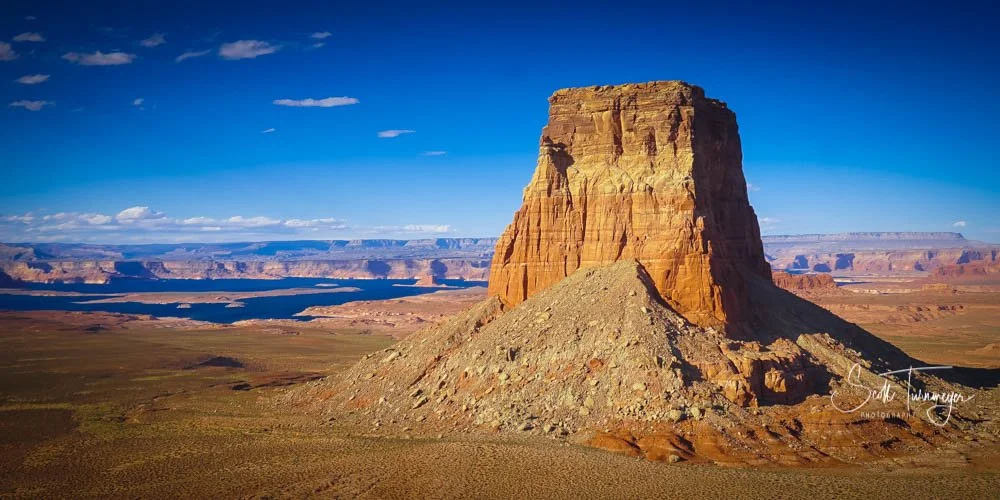
Tower Butte by Scott Turnmeyer - Taken by helicopter in Page, Arizona
The easiest way to understand the rule of thirds is to imagine your image divided into a 3x3 grid—two horizontal lines and two vertical lines.
Instead of placing your subject directly in the center, you position it along one of those lines or where the lines intersect.
In the image above, notice how the main subject is not centered. It’s placed along one of the grid lines, which creates a more natural and balanced composition.
This simple adjustment helps guide the viewer’s eye through the image and makes the photo feel more dynamic and intentional.
Understanding composition is just one part of photography—mastering the exposure triangle is just as important.
Rule of Thirds Examples (Wildlife, Landscape & Action Photography)
Example 1: Wildlife Photography
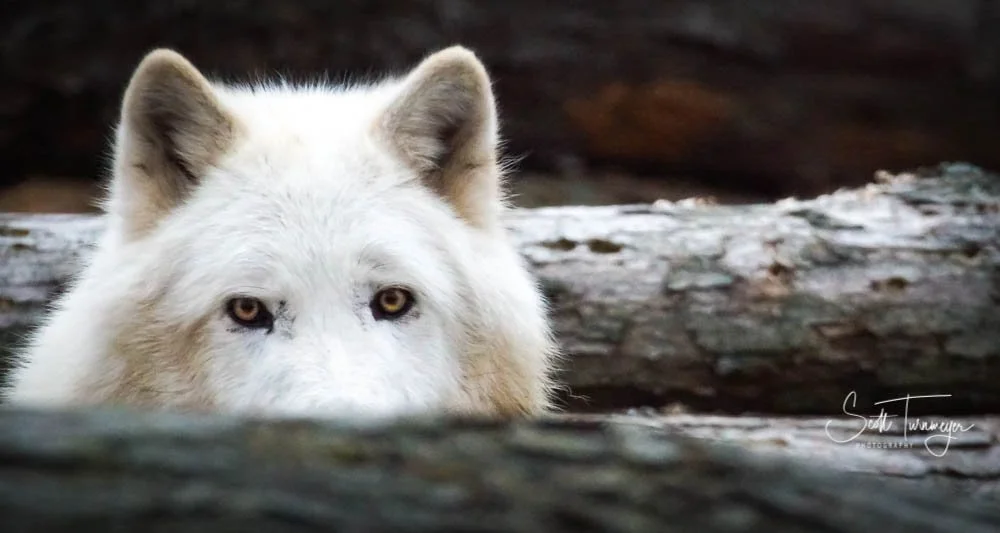
Peek by Scott Turnmeyer
In wildlife photography, placing your subject off-center can make the image feel more natural and engaging.
In this example, the wolf is positioned along one of the horizontal thirds rather than directly in the middle. This creates a sense of space and draws your attention straight to the subject’s eyes.
It also allows the environment to play a supporting role instead of competing for attention.
Example 2: Action / Movement Photography
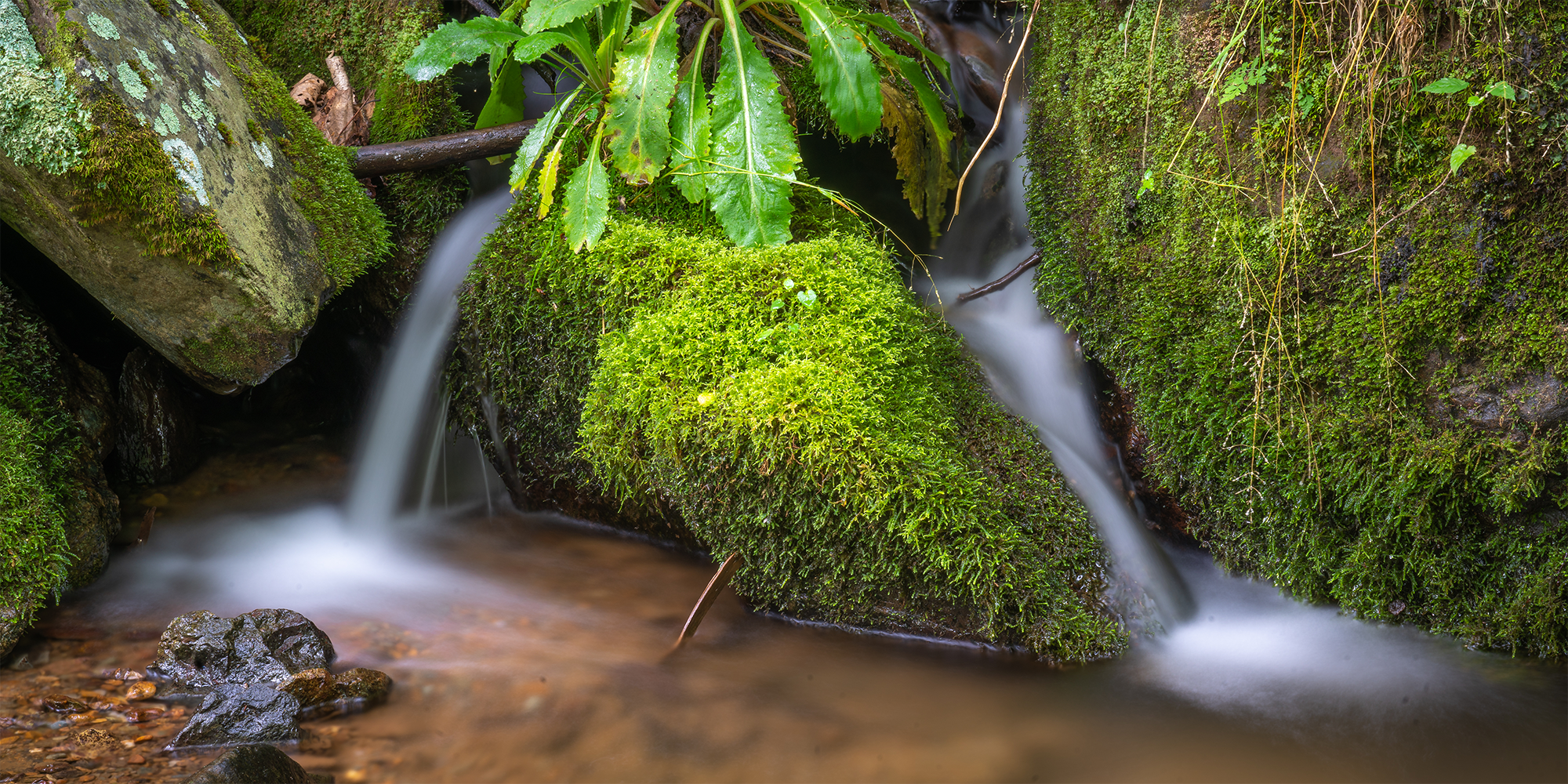
Casading Waterfalls by Scott Turnmeyer - taken along Dark Hollow Falls in the Shenandoah National Park near Skyline Drive
When photographing moving subjects, the rule of thirds helps create direction and motion.
Here, the train is positioned off-center, leaving space in front of it. This gives the image a sense of movement and allows the viewer to visually “follow” the subject through the frame.
If the train were centered, the image would feel more static and less dynamic.
Example 3: Landscape Photography
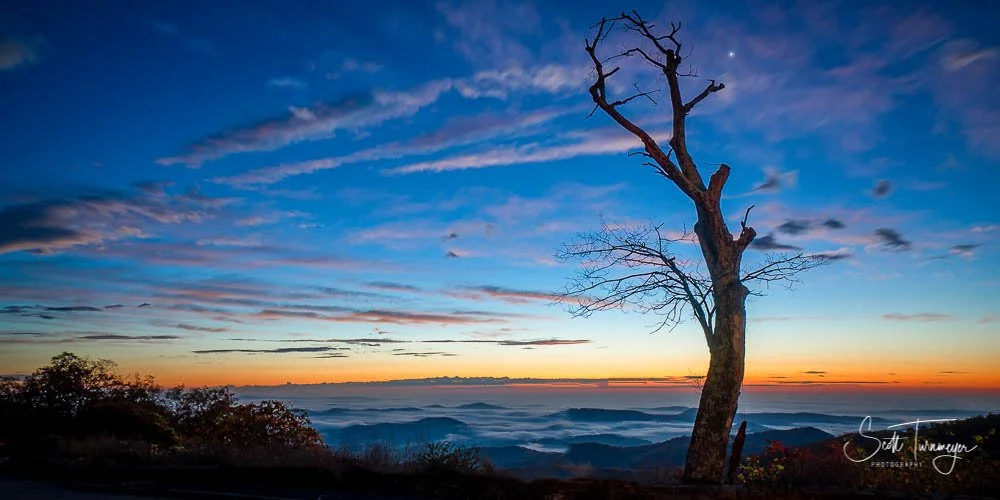
Before Dawn by Scott Turnmeyer - taken at Hazel Mountain Overlook in the Shenandoah National Parl along the Skyline Drive
In landscape photography, the rule of thirds is often used to balance foreground and background elements.
In this image, the horizon and key features align along the thirds rather than being centered. This helps create depth and keeps the viewer’s eye moving through the scene.
It’s a subtle adjustment, but it makes a significant difference in how the image feels.
How I Use the Rule of Thirds in Landscape Photography
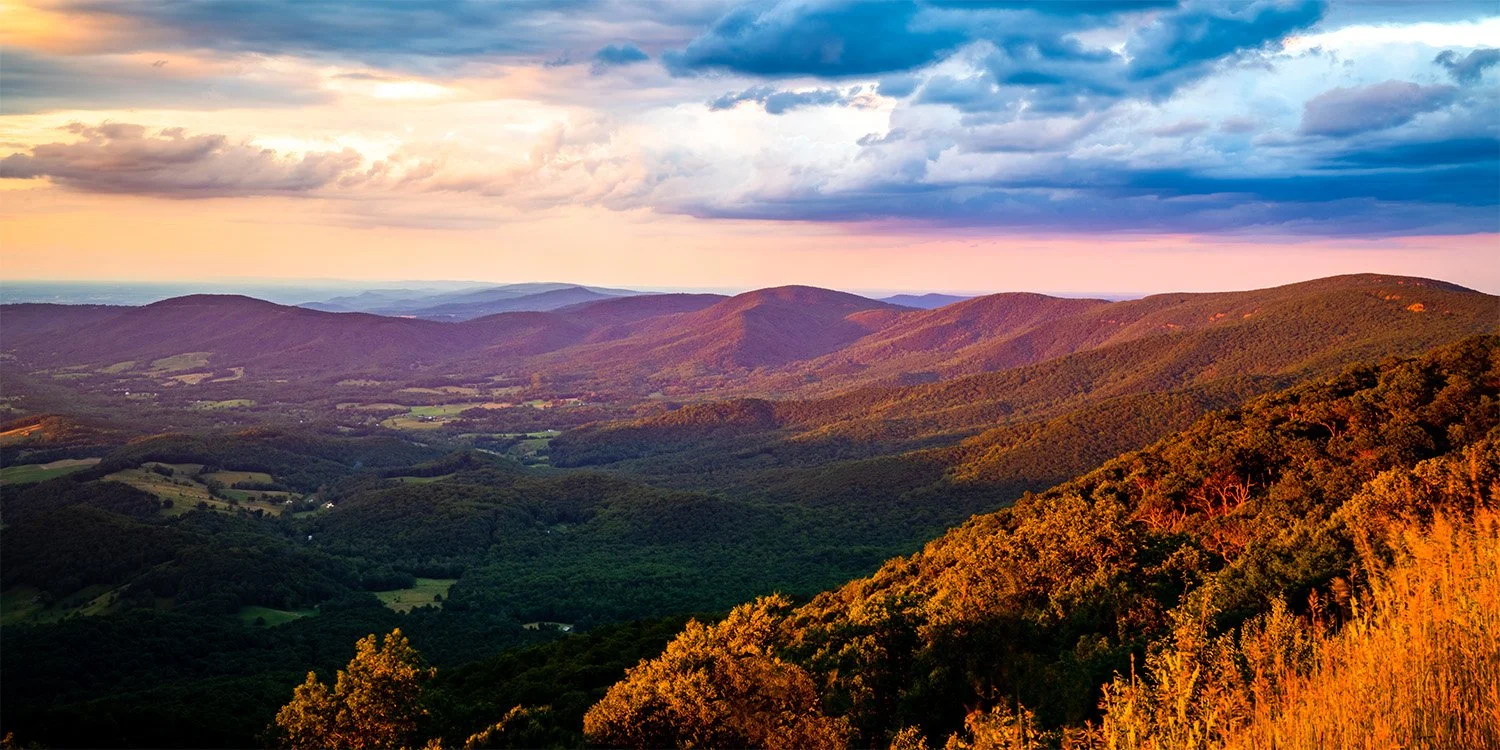
Sunset at Hogback Overlook by Scott Turnmeyer - taken at Hogback Overlook along the Skyline Drive in the Shenandoah National Park
When I’m shooting landscapes—especially in places like Shenandoah National Park—the rule of thirds is one of the first things I think about.
One of the most common ways I use it is by placing the horizon along either the top or bottom third of the frame, depending on what I want to emphasize.
If the sky is dramatic, I’ll give it more space. If the foreground is more interesting, I’ll shift the horizon higher.
I also use the rule of thirds to position key elements like trees, ridgelines, or leading lines so they guide the viewer’s eye through the scene.
It’s not about following a strict rule—it’s about creating balance and helping the viewer naturally move through the image.
When to Break the Rule of Thirds
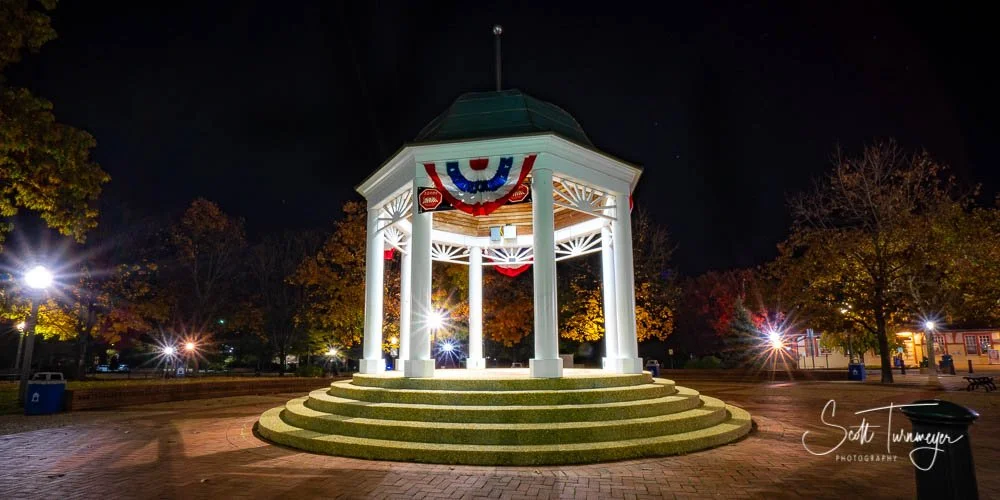
Main Street Gazebo by Scott Turnmeyer - taken in Historic Downtown Main Street in Front Royal, Virginia
While the rule of thirds is a powerful guideline, some of the strongest images come from breaking it.
Centered compositions can be incredibly effective, especially when:
You’re working with symmetry
The subject is isolated
You want a bold, minimal look
For example, placing a subject directly in the center can create a sense of balance and intensity that wouldn’t work with an off-center composition.
The key is understanding the rule first—then using or breaking it intentionally.
Understanding composition is just one part of photography—mastering the exposure triangle is just as important.
How to Use the Rule of Thirds in Photography
Enable the Grid: Most cameras and smartphones allow you to display a grid overlay in your viewfinder or on the screen. Turn this feature on to help you see and use the Rule of Thirds as you compose your shots.
Identify Your Subject: Decide what the main subject of your photo is. It could be a person, an object, a landscape feature, or even a point of interest in the scene.
Position the Subject: Place the subject along one of the vertical or horizontal lines or at one of the four intersection points. This off-center placement creates a more interesting and balanced composition than simply centering the subject.
Balance the Frame: Use the remaining space in the frame to balance the composition. For example, if your subject is placed on the left vertical line, try to include elements on the right side that complement the subject, adding depth and context to the scene.
Experiment and Adjust: Don’t be afraid to experiment with different placements and perspectives. The Rule of Thirds is a guideline, not a strict rule. Sometimes breaking it can lead to creative and unexpected results.
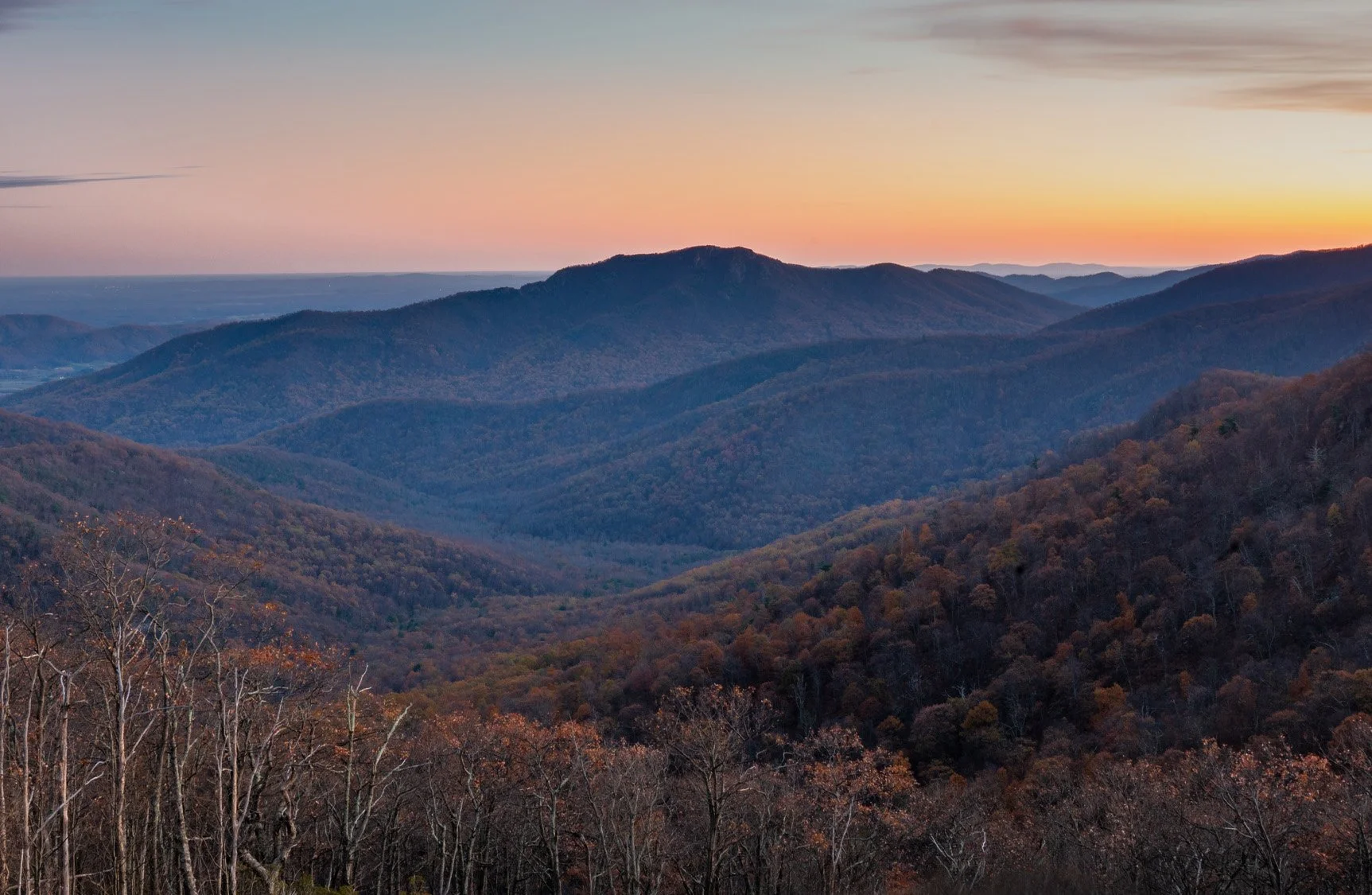
Old Rag Mountain by Scott Turnmeyer - taken along the Skyline Drive in the Shenandoah National Park
Take Your Photography Further
If you want to move beyond the basics and start applying techniques like the rule of thirds in real-world settings, hands-on experience makes all the difference. Understanding composition is just one part of photography—mastering the exposure triangle is just as important.
Want to improve your photography faster?
Join one of my hands-on photography workshops in Shenandoah National Park where we focus on composition, lighting, and capturing scenes in a way that stands out.
Rule of Thirds FAQ
What is the rule of thirds in photography?
The rule of thirds divides an image into nine equal parts and places the subject along the lines or intersections to create balance.
Do professional photographers use the rule of thirds?
Yes, it is one of the most common composition techniques used in landscape, portrait, and wildlife photography.
Can you break the rule of thirds?
Yes. Once you understand it, breaking the rule can create strong compositions.
More Photography from Scott Turnmeyer
I write about landscape photography, night sky photography, camera technique, and photography workshops in the Shenandoah Valley and Blue Ridge Mountains. You can explore more photography, workshops, and articles here:
Fine Art Photography
Photography Workshops & Experiences
Blog Home
About Scott Turnmeyer
Digital Consulting