
Golden Hour Photography Settings – Best Camera Settings for Perfect Light
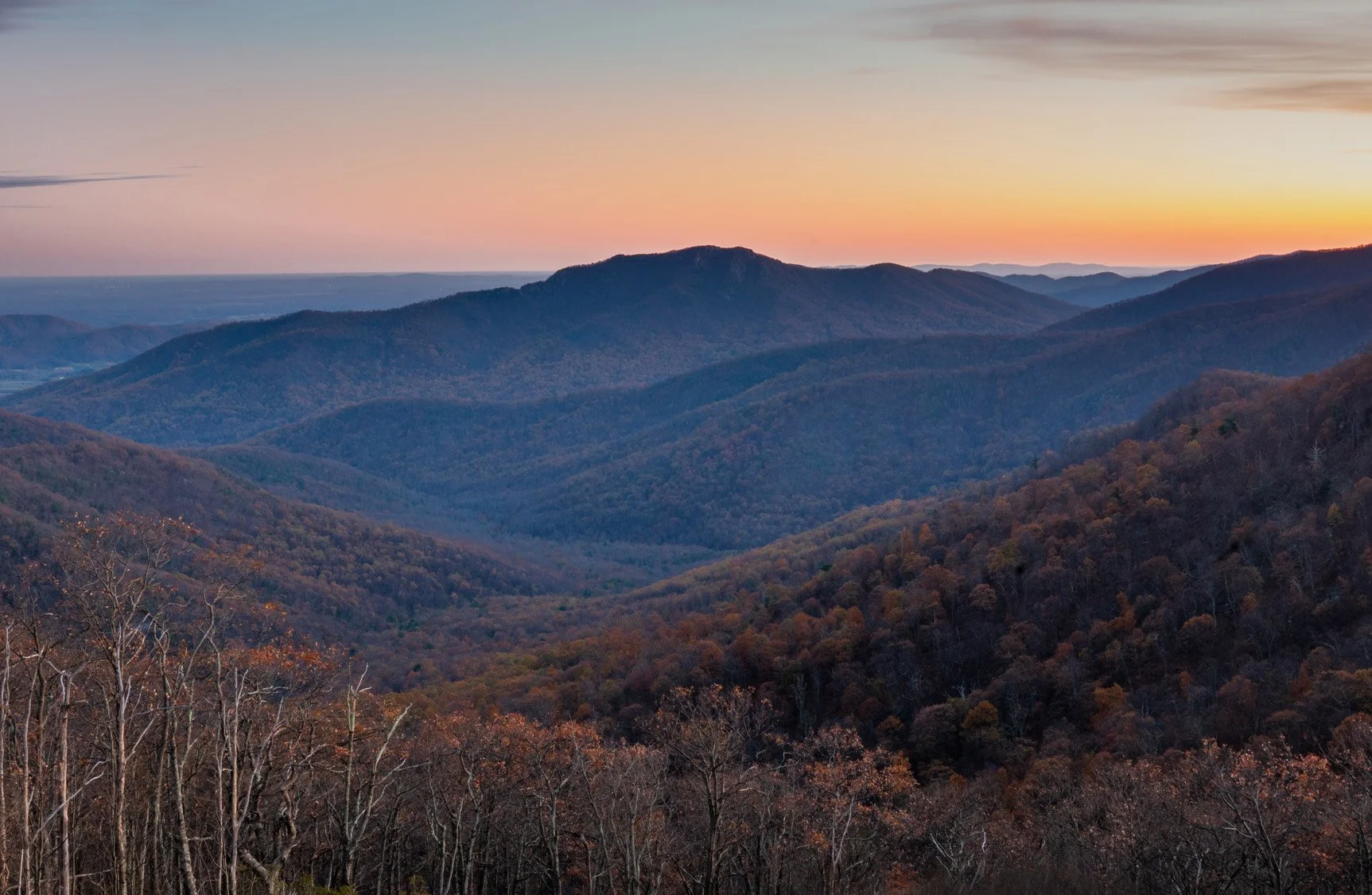
Golden hour is one of the best times to take photos, but getting the right results still depends on your camera settings and using composition guides like the Rule of Thirds.
While the light is more forgiving than midday, knowing how to adjust your settings will help you capture better color, detail, and depth.
If you’re new to manual settings, you may also want to review how to shoot in manual mode, but this guide will walk you through exactly what to use during golden hour.
Best Camera Settings for Golden Hour Photography
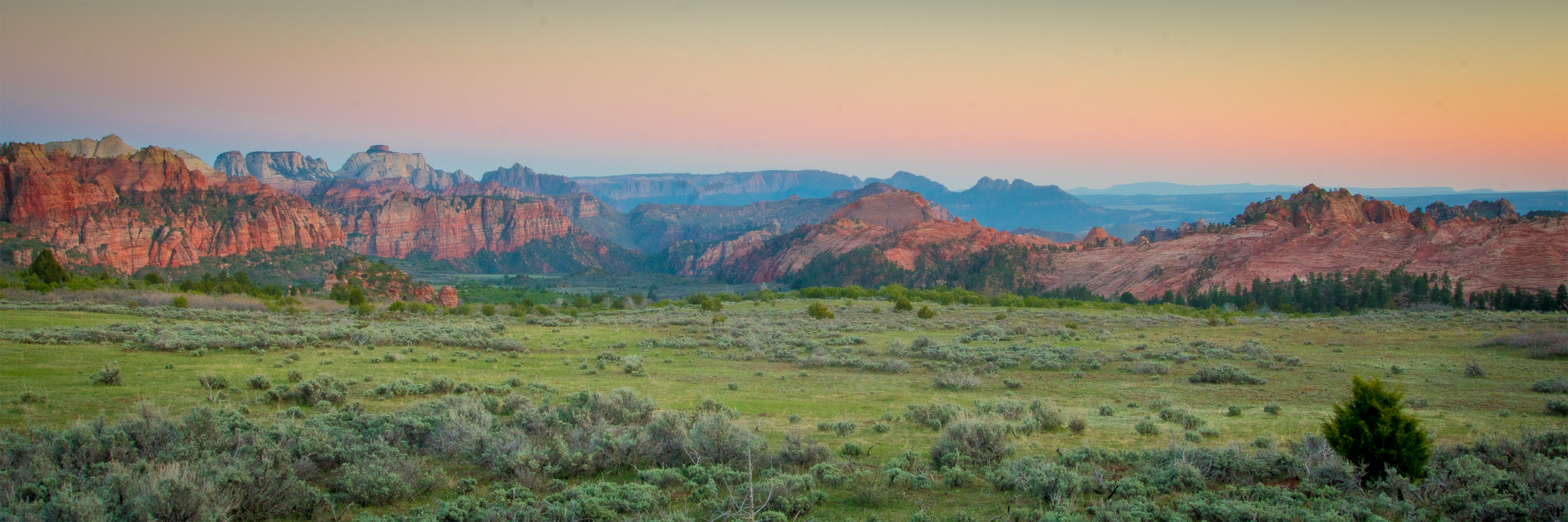
Golden hour lighting changes quickly, so your settings need to adapt as the sun rises or sets.
Here are strong starting points:
ISO
Start with ISO 100–200
Increase slightly as light fades
Lower ISO helps maintain:
image quality
color accuracy
dynamic range
Aperture
For landscapes:
f/8 to f/11
For portraits:
f/2.8 to f/5.6
Aperture controls:
depth of field
sharpness
subject separation
Shutter Speed
Shutter speed will vary depending on available light.
Faster during early golden hour
Slower as the sun drops
Adjust shutter speed to:
maintain proper exposure
avoid blur (unless intentional)
How to Adjust Settings as Light Changes
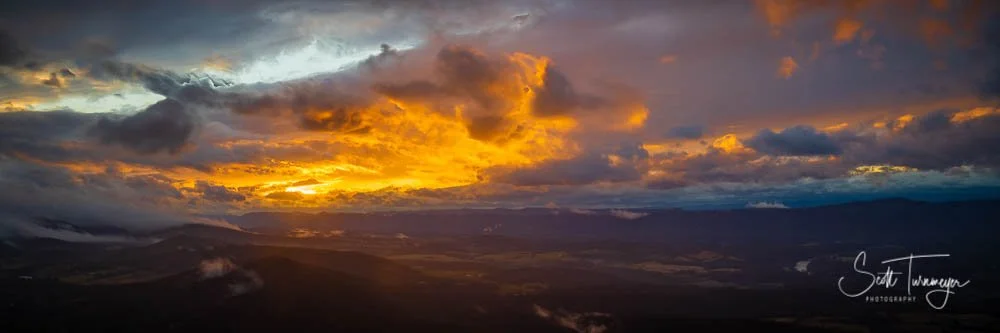
Golden hour doesn’t stay consistent — it evolves.
Early Golden Hour
More light available
Slightly cooler tones
Faster shutter speeds
Mid Golden Hour
Warm tones increase
Shadows lengthen
Ideal shooting conditions
Late Golden Hour
Light drops quickly
Colors intensify
Shutter speed slows
This is where a tripod becomes very helpful.
Should You Shoot in Manual Mode?
Manual mode gives you full control over:
exposure
light balance
creative choices
If you’re comfortable with it, manual mode is ideal during golden hour because conditions change quickly.
If not, aperture priority mode is a good alternative.
White Balance for Golden Hour
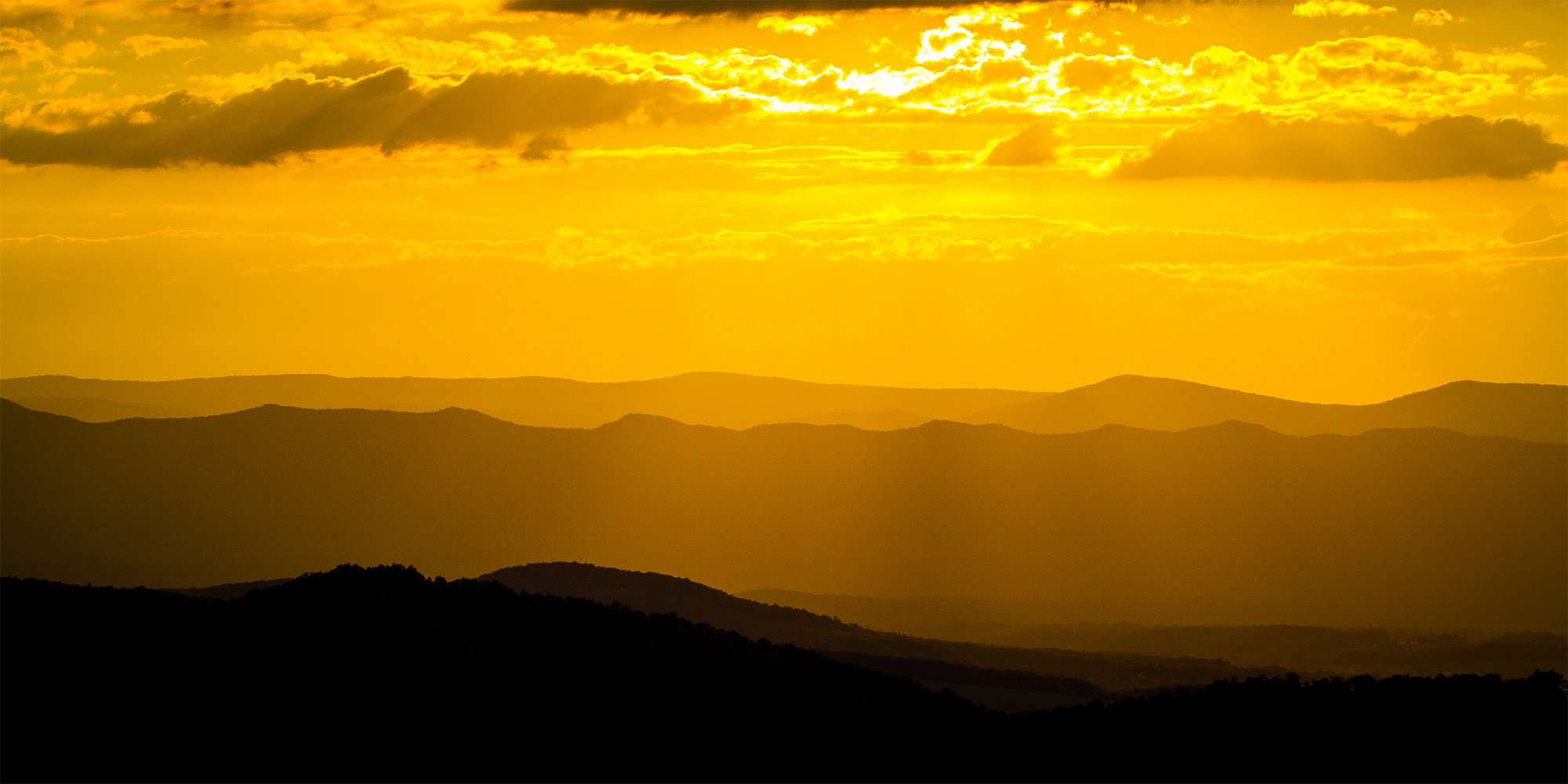
Golden hour naturally produces warm tones, but your camera may try to neutralize them.
To maintain that warm glow:
use “Daylight” white balance
avoid auto white balance if possible
This helps preserve the natural color of the scene.
Using a Tripod During Golden Hour
As light fades, shutter speeds get slower.
A tripod helps:
keep images sharp
allow lower ISO
capture more detail
This becomes especially important in late golden hour and into blue hour.
Common Golden Hour Settings Mistakes
Overexposing highlights
Bright areas near the sun can easily blow out.
Tip:
slightly underexpose your image
Keeping settings static
Light changes quickly.
Tip:
adjust frequently
Ignoring shadows
Shadows add depth — don’t try to eliminate them completely.
Golden Hour Settings for Different Scenarios
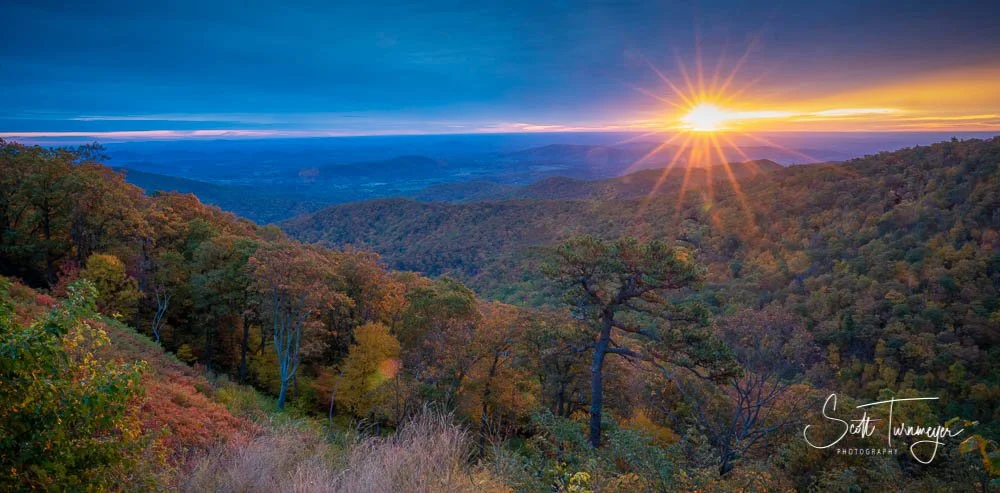
Landscapes
ISO: 100
Aperture: f/8 – f/11
Shutter: adjust as needed
Portraits
ISO: 100–200
Aperture: f/2.8 – f/5.6
Shutter: faster to avoid motion blur
Low Light (end of golden hour)
ISO: 200–400
Aperture: wider if needed
Tripod recommended
Final Thoughts
Golden hour gives you some of the best light you’ll ever work with, but dialing in your settings makes all the difference.
Once you understand how ISO, aperture, and shutter speed work together, you’ll be able to adapt quickly and consistently capture strong images.
FAQ – Golden Hour Camera Settings
What ISO should I use during golden hour?
Start with ISO 100–200 for the best image quality. As light fades, you can increase ISO slightly to maintain proper exposure without slowing your shutter speed too much.
What aperture is best for golden hour photography?
For landscapes, use f/8 to f/11 for sharpness and depth. For portraits, use a wider aperture like f/2.8 to f/5.6 to create background blur.
Should I use a tripod during golden hour?
A tripod is helpful, especially toward the end of golden hour when light levels drop and shutter speeds get slower. It allows you to keep ISO low and maintain sharp images.
More Photography from Scott Turnmeyer
I write about landscape photography, night sky photography, camera technique, and photography workshops in the Shenandoah Valley and Blue Ridge Mountains. You can explore more photography, workshops, and articles here:
Fine Art Photography
Photography Workshops & Experiences
Blog Home
About Scott Turnmeyer
Digital Consulting